

Veterans Counseling
in Phoenix, AZ
Veterans Couples Counseling
Couples where one or more partners are a veteran may face unique challenges related to their time in service. Being a veteran is one of the most honorable titles one can hold, yet it may be earned at a cost. All veterans, regardless of branch or combat experience, have undergone unique experiences that they bring into their relationships. Having an expert couple’s therapist who understands the veteran’s experience can be highly beneficial to veteran couples looking for relationship support.
Taking a step towards couples counseling as a veteran may feel defeating for some. This step may feel like an admission that the relationship is not doing well or that the couple is simply throwing in the towel. This is perfectly normal, but looking for help to strengthen a relationship is one of the most loving and courageous things a couple can do. Check out this video to learn more about what you can expect during Couple’s Counseling.
The psychologists and counselors at BPC take an eclectic approach to couples counseling, pulling in the best parts of several related theories and counseling modalities. Every therapist at BPC are trained and often apply several of the world’s leading techniques for veterans couples therapy, and are skilled at crafting a tailored approach that fits the specific needs and preferences of each couple.
Topics for Veterans Counseling include:
- Conflict Resolution
- Service Transition-Related Stress
- Couples living with PTSD
- Communication Difficulties
- Military Sexual Trauma
- Emotional Distance
- Service-Related Grief
- Cheating and Affairs
- Social Media & Online Relationships
- Healing from a suicide attempt
- Perinatal Counseling and Infertility
Begin your journey with confidence
In a free, no-obligation 10-min consultation we can help you determine whether our services would be the right fit for you.
Our licensed clinicians apply professional expertise and understanding to provide the best holistic counseling services in Phoenix, AZ.
Contact us to schedule a free phone consultation.
Start your journey with confidence
In a free, no-obligation 10-min consultation we can help you determine whether our services would be the right fit for you.
Our licensed clinicians apply professional expertise and understanding to provide the best holistic counseling services in Phoenix, AZ.
Contact us to schedule a free phone consultation.
Veteran Couples Counseling FAQ
Couples Counseling for veterans combines all the training and techniques suited to couples therapy with a very specific acknowledgement of each individual’s military service and the unique ways it can affect a relationship.
In the first session, both partners typically meet with the therapist together to discuss the history of their relationship concerns, including how stressors such as military service, deployments, transitions back to civilian life, or service-related injuries may have affected the relationship. The couple will explore what has felt most challenging, what attempts have already been made to repair the relationship, and what each partner hopes to gain from counseling. In subsequent sessions, the therapist may meet with each partner individually to gain a deeper understanding of personal history, including military experiences, family background, and how stress, trauma, or role changes may be showing up in the relationship.
By the end of counseling, couples often hope to heal emotional injuries, improve communication, and better understand how military-related experiences have shaped their connection. Some couples clarify their desire to remain together, while others may decide to pursue separation with care, respect, and compassion. Importantly, the counselor’s role is not to decide whether a couple should stay together, but to support the highest level of healing possible so the couple can make informed decisions about their future.
No! Couples counseling is available to couples in any relationship status, including dating, engaged, married, or long-term partnered couples. Veteran and active-duty couples do not need to be married or together for a specific period of time to benefit from counseling. Relationships at any stage can be affected by military service, deployment cycles, or the stress of transitioning out of the military. Couples counseling offers support regardless of marital status and can help partners build understanding, strengthen their connection, and address concerns before they become more deeply rooted.
Yes, couples counseling is effective for most couples, especially when both partners are willing to participate honestly and engage in the process. Research shows that evidence-based couples therapy approaches can significantly improve relationship satisfaction, communication, emotional connection, and conflict resolution. Veterans’ Couples Counseling works by helping couples better understand patterns in their relationship, identify underlying emotional needs, build stronger attachment bonds, and develop healthier ways of responding to one another during moments of stress or disagreement.
It’s common for one partner to feel hesitant or unsure about couples counseling, and this does not mean the relationship cannot improve. People may resist counseling for many reasons, such as fear of being blamed, discomfort talking about emotions, stigma around therapy, past negative experiences, or beliefs that counseling won’t help. Particularly for veterans or individuals shaped by military culture, there may be a strong emphasis on self-reliance or handling problems privately, which can make seeking counseling feel unfamiliar or uncomfortable.
If your partner chooses not to attend, individual counseling can still be very helpful. Working with a therapist on your own can provide support, clarify your needs, improve communication, and sometimes lead to positive changes in the relationship that encourage your partner to participate later.
Meet Our Team
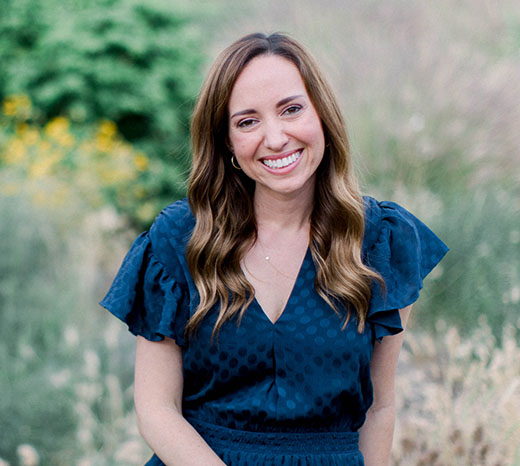
Dr. Melissa Estavillo
Psy.D. Clinical Psychology,
Arizona School of Professional Psychology
M.A. Clinical Psychology,
Arizona School of Professional Psychology
B.S. Psychology,
Grand Canyon University
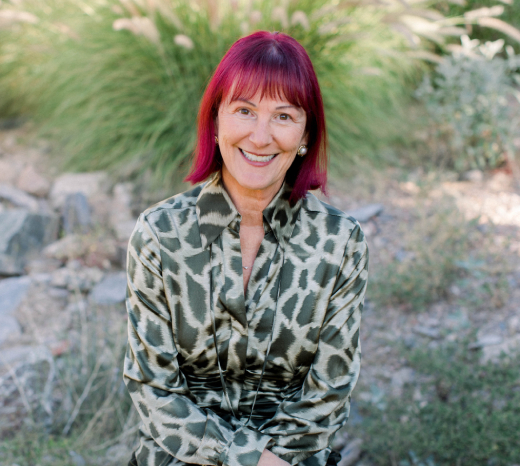
Dr. Linda DeBiase
Forest Institute of Professional Psychology, Doctorate in Clinical Psychology
Lake Forest College
B.A. Psychology
California School of Professional Psychology,
Clinical Psychology
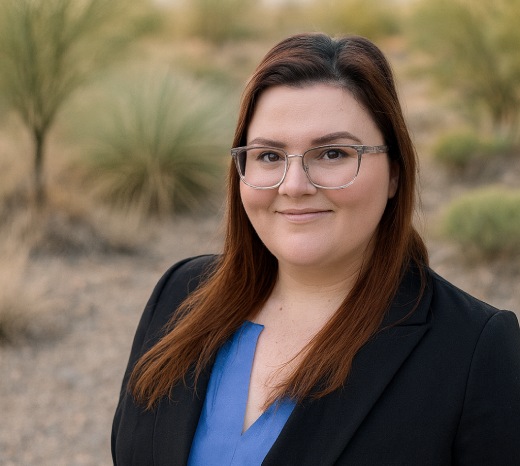
Dr. Nikki Kemper
Psy.D. Clinical Psychology,
Midwestern University
Masters in Clinical Psychology,
Midwestern University
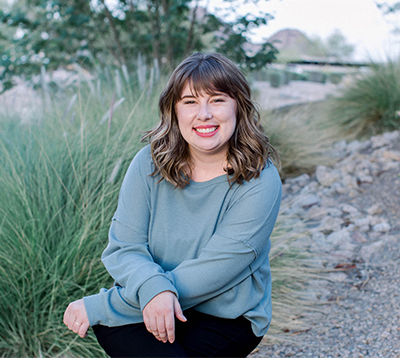
Nicole Elliott, LPC, PMH-C
M.C. Counseling,
Arizona State University
B.A. English (Literature),
Arizona State University
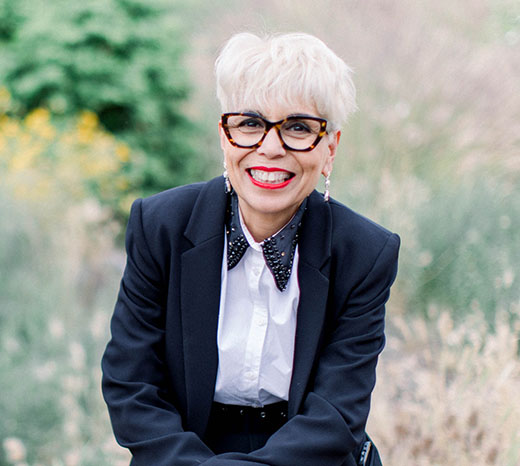
Elizabeth Felix, LPC
M.A. Professional Counseling, Ottawa University
M.A. Human Resources and Substance Abuse,
Ottawa University
B.A. Psychology,
Ottawa University
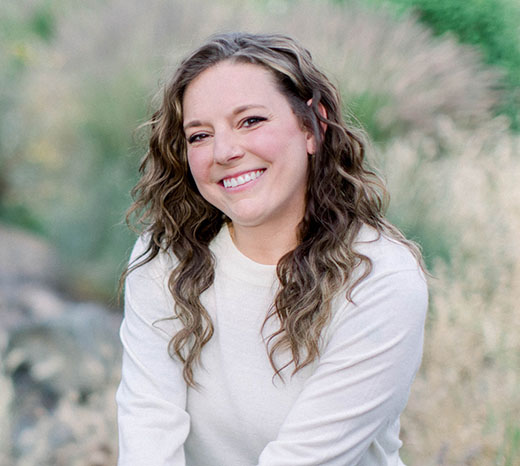
Heather Wheeler, LCSW
Masters in Social Work,
Arizona State University
B.A. Psychology,
Arizona State University
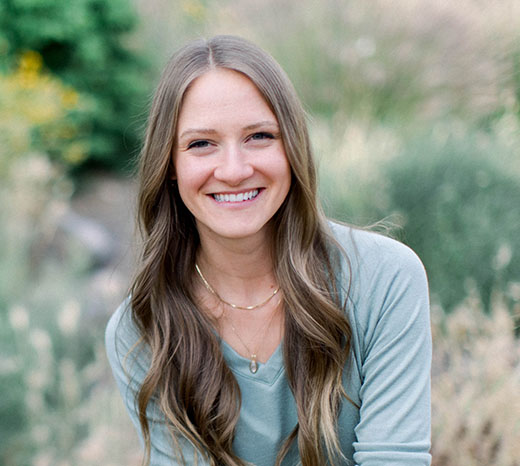
Laura Reed, LPC
M.S. Professional Counseling,
Grand Canyon University
B.S. Psychology,
Grand Canyon University
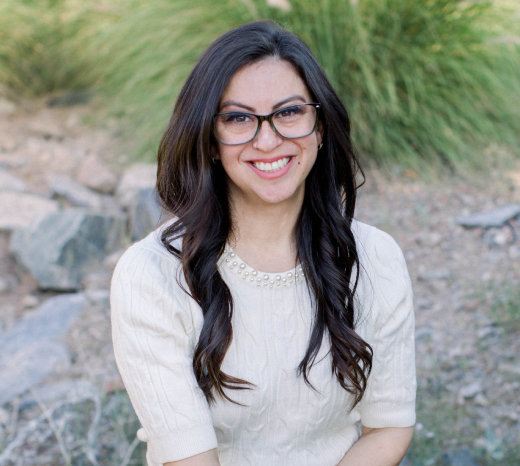
Rebecca Fregoso, LPC
M.S. Counseling,
University of Phoenix
B.A. Psychology,
California State University
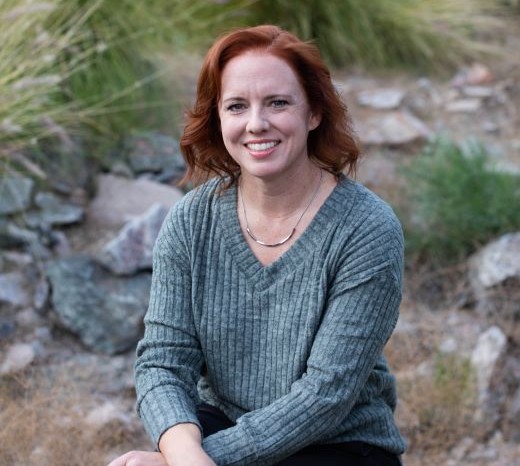
Kirsten Eby, LPC, ATR-BC
M.S. Art Therapy Counseling
Southern Illinois University, Edwardsville
M.A. Teaching, Elementary
American University
B.A. Psychology & Sociology
Tulane University
Dr. Melissa Estavillo
Psy.D. Clinical Psychology, Arizona School of Professional Psychology M.A. Clinical Psychology, Arizona School of Professional Psychology B.S. Psychology, Grand Canyon University
Dr Linda DeBiase
Forest Institute of Professional Psychology, Doctorate in Clinical Psychology Lake Forest College, B.A. Psychology California School of Professional Psychology, Clinical Psychology
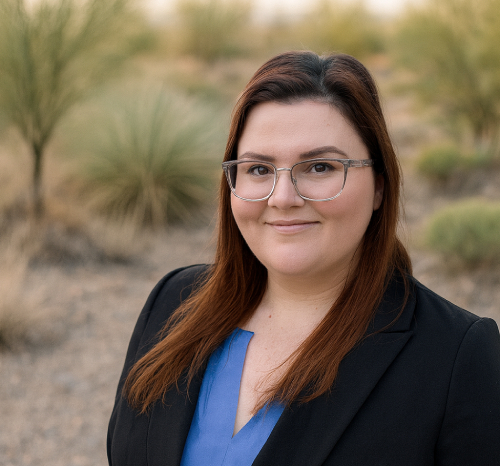
Dr Nikki Kemper
Psy.D. Clinical Psychology, Midwestern University Masters in Clinical Psychology, Midwestern University
Nicole Elliott, LPC
M.C. Counseling, Arizona State University B.A. English (Literature), Arizona State University
Elizabeth Felix, LPC
M.A. Professional Counseling, Ottawa University M.A. Human Resources and Substance Abuse, Ottawa University B.A. Psychology, Ottawa University<
Heather Wheeler, LCSW
Masters in Social Work, Arizona State University B.A. Psychology, Arizona State University
Laura Reed, LPC
M.S. Professional Counseling, Grand Canyon University B.S. Psychology, Grand Canyon University
Rebecca Fregoso, LPC
M.S. Counseling, University of Phoenix, B.A. Psychology, California State University
Kirsten Eby, LPC, ATR-BC
M.S. Art Therapy Counseling Southern Illinois University, Edwardsville M.A. Teaching, Elementary American University B.A. Psychology & Sociology Tulane University
Our Location in Phoenix, AZ
Address:
6245 N 24th Parkway, Suite #106 Phoenix, Arizona 85016
Phone: (480) 999-7070
Hours: Monday – Friday, 9:00 am – 5:00 pm