



Skip Navigation

Brainspotting Therapists
in Phoenix, AZ

Brainspotting Therapy

What is Brainspotting?

Brainspotting is a cutting-edge therapeutic technique that goes beyond traditional talk therapy to address trauma and emotional challenges. Developed by Dr. David Grand, this innovative method taps into the brain-body connection to access and process unprocessed trauma. It is based on the premise that the direction of our visual gaze affects our emotions.

How Does Brainspotting Work?

During a Brainspotting session, the therapist helps the client identify relevant “brainspots” – specific eye positions associated with emotional activation. These spots indicate brain areas where trauma and emotional experiences are stored. Individuals can access and process deep-seated emotions and memories by focusing on these spots.

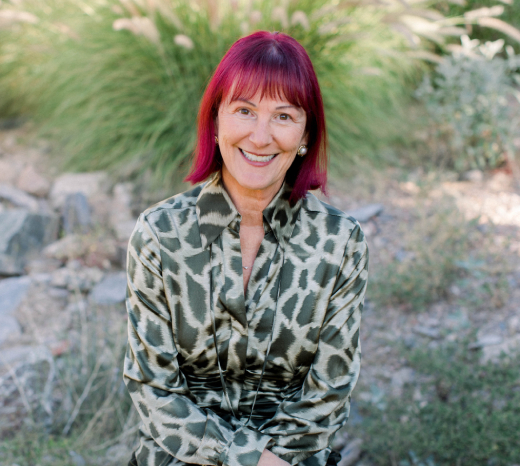
At Biltmore Psychology and Counseling, Dr. Linda DeBiase specializes in Brainspotting. Dr. DeBiase is dedicated to helping individuals unlock their innate capacity for healing and growth. If you are seeking a transformative approach to address trauma or enhance your emotional well-being, Brainspotting may be the key to unlocking a brighter, more resilient future.

Schedule a session today and start a journey towards emotional freedom and empowerment.

Benefits of Brainspotting Therapy

Trauma Resolution: Brainspotting allows for the processing and release of traumatic experiences, promoting emotional healing.

Emotional Regulation: Clients can learn to regulate overwhelming emotions and develop coping mechanisms for stress and anxiety.

Enhanced Performance: Athletes, artists, and individuals seeking peak performance can benefit from Brainspotting to overcome mental blocks and enhance focus.

Chronic Pain Management: Brainspotting has shown promise in alleviating physical pain associated with emotional trauma.

Improved Relationships: By addressing underlying emotional issues, individuals can experience positive changes in their relationships and overall well-being.

Brainspotting Therapy Use Cases

Post-Traumatic Stress Disorder (PTSD): Brainspotting is particularly effective in treating PTSD by allowing individuals to process and integrate traumatic memories.

Anxiety and Depression: Clients struggling with anxiety and depression can find relief through Brainspotting, addressing the root causes of their emotional challenges.

Grief and Loss: Brainspotting provides a supportive space for individuals dealing with grief and loss to process their emotions and find healing.

Performance Enhancement: Athletes, performers, and professionals seeking to optimize their performance can utilize Brainspotting to overcome mental barriers.

Meet Dr. Linda DeBiase

Doctorate in Clinical Psychology,
Forest Institute of Professional Psychology
B.A. Psychology,
Lake Forest College
Clinical Psychology,
California School of Professional Psychology

Specialties:
Cognitive Behavioral Therapy (CBT)
Emotion Focused Therapy (EFT)
Trauma Resolution Therapy
Brainspotting
Mood Disorders
Eating Disorders
LGBTQ+
Life Transitional Issues
Women’s Issues including Sexual, Domestic, and Relationship Abuse
Grief/Loss Resolution
Sports Psychology

Dr. Linda DeBiase

Meet Dr. Linda DeBiase

Doctorate in Clinical Psychology,
Forest Institute of Professional Psychology
B.A. Psychology,
Lake Forest College
Clinical Psychology,
California School of Professional Psychology

Specialties:
Cognitive Behavioral Therapy (CBT), Emotion Focused Therapy (EFT), Trauma Resolution Therapy,  Brainspotting, Mood Disorders, Eating Disorders, LGBTQ+, Life Transitional Issues, Women’s Issues including Sexual, Domestic, and Relationship Abuse, Grief/Loss Resolution, Sports Psychology

Begin your journey with confidence

In a free, no-obligation 10-min consultation we can help you determine whether our services would be the right fit for you.

Our licensed clinicians apply professional expertise and understanding to provide the best holistic counseling services in Phoenix, AZ.

Contact us to schedule a free phone consultation.

Biltmore lobby chairs

Start your journey with confidence

In a free, no-obligation 10-min consultation we can help you determine whether our services would be the right fit for you.

Our licensed clinicians apply professional expertise and understanding to provide the best holistic counseling services in Phoenix, AZ.

Contact us to schedule a free phone consultation.

Brainspotting FAQ

Brainspotting therapy is a trauma-informed, neurobiologically focused form of psychotherapy that helps individuals process and heal from unresolved emotional and physical distress. Developed by Dr. David Grand, Brainspotting is based on the idea that where a person looks can influence how they feel, because eye positions are connected to specific neural networks in the brain. By identifying and holding a specific “brainspot” linked to emotional activation, Brainspotting allows access to deeper, often nonverbal areas of the brain where trauma and stress are stored. This approach can be especially helpful for people who have difficulty putting their experiences into words.

Brainspotting therapists help clients identify a point in their visual field that corresponds with emotional or physical sensations related to an issue they want to work on. Once a brainspot is located, the client is guided to maintain awareness of internal experiences such as thoughts, emotions, or bodily sensations, while staying focused on that eye position. The therapist provides a supportive and attuned presence, allowing the brain and body to process at their own pace. Rather than directing the experience, Brainspotting relies on the brain’s natural ability to self-organize and heal when given the right conditions.

Brainspotting can be used to address a wide range of concerns, particularly those rooted in trauma or chronic stress. It is commonly used for trauma and PTSD, anxiety, depression, grief, attachment wounds, and performance-related blocks. Brainspotting may also help with chronic pain, somatic symptoms, medical trauma, and emotional responses tied to illness or injury. Because it works at a deep, nervous-system level, it can be effective for individuals who feel “stuck” in traditional talk therapy or whose experiences are stored more in the body than in conscious memory.

Yes, Brainspotting is considered a safe therapeutic approach when conducted by a trained mental health professional. Sessions are client-led and paced according to the individual’s capacity, which helps prevent emotional overwhelm. Therapists are trained to monitor nervous system responses and to provide grounding and regulation as needed. Clients are never forced to revisit experiences they are not ready to process, and they remain in control throughout the session. As with any trauma-informed therapy, open communication with the therapist is key to ensuring a sense of safety and support.

Research on Brainspotting is still emerging, but existing studies and extensive clinical experience suggest that it can be an effective treatment for trauma, anxiety, and other emotional and somatic concerns. Many clients report meaningful improvements, including reduced emotional reactivity, increased emotional regulation, and relief from symptoms that previously felt unresolved. Brainspotting is often used as a standalone therapy or integrated with other evidence-based approaches. While effectiveness can vary from person to person, it is widely regarded as a powerful option for individuals seeking deeper, nervous-system–based healing.

Meet Our Team

Dr Melissa Estavillo

Dr. Melissa Estavillo

Psy.D. Clinical Psychology,
Arizona School of Professional Psychology M.A. Clinical Psychology,
Arizona School of Professional Psychology
B.S. Psychology,
Grand Canyon University

Dr. Linda DeBiase

Dr. Linda DeBiase

Forest Institute of Professional Psychology, Doctorate in Clinical Psychology
Lake Forest College
B.A. Psychology California School of Professional Psychology,
Clinical Psychology
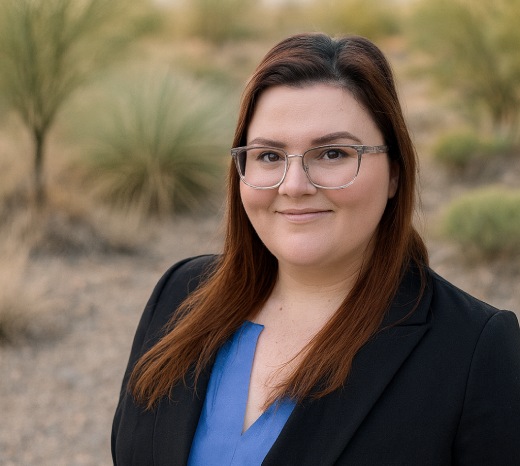
Dr. Nikki Kemper PsyD

Dr. Nikki Kemper

Psy.D. Clinical Psychology, Midwestern University
Masters in Clinical Psychology, Midwestern University

Nicole Elliott, LPC, PMH-C

Nicole Elliott, LPC, PMH-C

M.C. Counseling,
Arizona State University
B.A. English (Literature),
Arizona State University
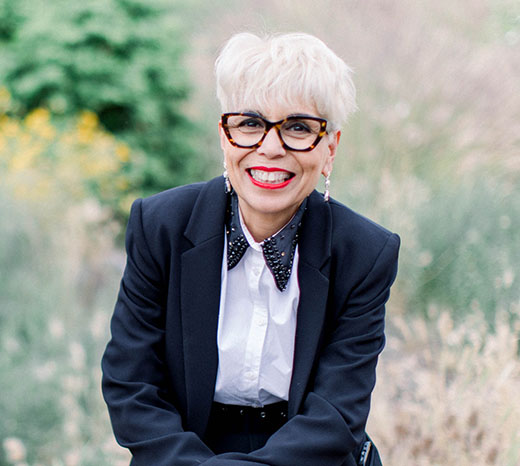
Elizabeth Felix, LPC

Elizabeth Felix, LPC

M.A. Professional Counseling, Ottawa University
M.A. Human Resources and Substance Abuse,
Ottawa University
B.A. Psychology,
Ottawa University

Heather Wheeler, LCSW

Heather Wheeler, LCSW

Masters in Social Work,
Arizona State University
B.A. Psychology,
Arizona State University
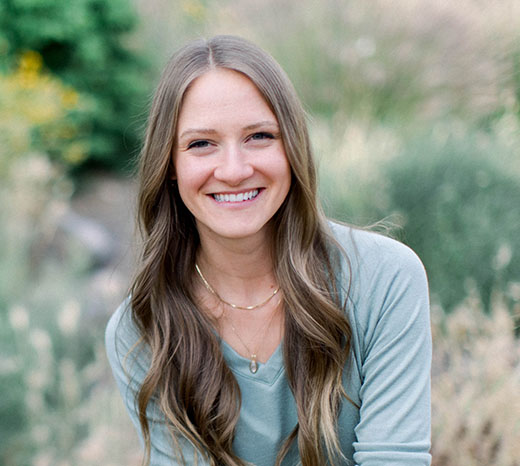
Laura Reed, LPC

M.S. Professional Counseling,
Grand Canyon University
B.S. Psychology,
Grand Canyon University

Rebecca Fregoso, LPC

Rebecca Fregoso, LPC

M.S. Counseling,
University of Phoenix
B.A. Psychology,
California State University
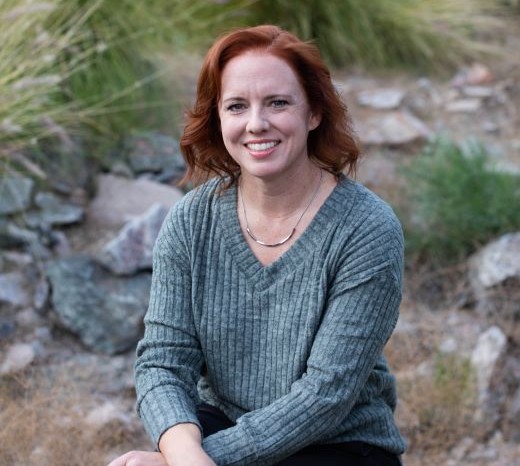
Kirsten Eby

Kirsten Eby, LPC, ATR-BC

M.S. Art Therapy Counseling
Southern Illinois University, Edwardsville
M.A. Teaching, Elementary
American University
B.A. Psychology & Sociology
Tulane University

Join our Team
Dr Melissa Estavillo

Dr. Melissa Estavillo

Psy.D. Clinical Psychology, Arizona School of Professional Psychology M.A. Clinical Psychology, Arizona School of Professional Psychology B.S. Psychology, Grand Canyon University

Dr. Linda DeBiase

Dr Linda DeBiase

Forest Institute of Professional Psychology, Doctorate in Clinical Psychology Lake Forest College, B.A. Psychology California School of Professional Psychology, Clinical Psychology
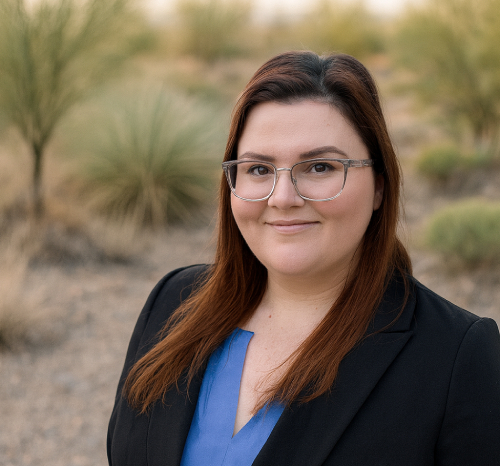
Dr. Nikki Kemper PsyD

Dr Nikki Kemper

Psy.D. Clinical Psychology, Midwestern University Masters in Clinical Psychology, Midwestern University

Nicole Elliott, LPC, PMH-C

Nicole Elliott, LPC

M.C. Counseling, Arizona State University B.A. English (Literature), Arizona State University

Elizabeth Felix, LPC

Elizabeth Felix, LPC

M.A. Professional Counseling, Ottawa University M.A. Human Resources and Substance Abuse, Ottawa University B.A. Psychology, Ottawa University<

Heather Wheeler, LCSW

Heather Wheeler, LCSW

Masters in Social Work, Arizona State University B.A. Psychology, Arizona State University

Laura Reed, LPC

M.S. Professional Counseling, Grand Canyon University B.S. Psychology, Grand Canyon University

Rebecca Fregoso, LPC

Rebecca Fregoso, LPC

M.S. Counseling, University of Phoenix, B.A. Psychology, California State University

Kirsten Eby

Kirsten Eby, LPC, ATR-BC

M.S. Art Therapy Counseling Southern Illinois University, Edwardsville M.A. Teaching, Elementary American University B.A. Psychology & Sociology Tulane University

Our Location in Phoenix, AZ

Address:
6245 N 24th Parkway, Suite #106 Phoenix, Arizona 85016

Phone: (480) 999-7070
Hours: Monday – Friday, 9:00 am – 5:00 pm

BPC icon

Free 10-Min Consultation

A 10-min consultation can help you determine whether our services would be the right fit for you. Contact us to schedule a phone consultation.

"*" indicates required fields

This field is for validation purposes and should be left unchanged.
Name*