

Emotional Distance Counseling in Phoenix
Closing The Gap on Emotional Distance
Emotional distance can develop from months or years of unresolved conflict and life stressors in your relationship. As time passes and circumstances change, it is not uncommon for couples to express dissatisfaction with the level of emotional connection that they feel with their partner. Some couples even share that they feel like they are living separate lives from their partner, and that their partner has become more like a roommate than a spouse or a friend.
When experiencing emotional distance in your relationship, it is not uncommon for the relationship to dive into a cycle of push and pull (Pursue and Withdrawal). This cycle can make you feel like the person who once showed you that they loved you most is not even on your team anymore. In couples counseling, we look at identifying the early signs of this cycle and helping you to learn to avoid it so that you can share the emotional intimacy that you desire.
At Biltmore Psychology & Counseling, our Psychologists help couples rekindle the emotional closeness and passion that was once found in their relationship, helping them return to satisfying levels of companionship, friendship, and intimacy.
Begin your journey with confidence
In a free, no-obligation 10-min consultation we can help you determine whether our services would be the right fit for you.
Our licensed clinicians apply professional expertise and understanding to provide the best holistic counseling services in Phoenix, AZ.
Contact us to schedule a free phone consultation.
Start your journey with confidence
In a free, no-obligation 10-min consultation we can help you determine whether our services would be the right fit for you.
Our licensed clinicians apply professional expertise and understanding to provide the best holistic counseling services in Phoenix, AZ.
Contact us to schedule a free phone consultation.
Emotional Distance Counseling FAQ
Emotional distance refers to a sense of disconnection between partners, in which one or both feel less emotionally close, understood, or supported than they once did. This can manifest as reduced communication, less affection, avoidance of deeper conversations, or a sense of living more like roommates than romantic partners. Emotional distance can develop gradually due to stress, unresolved conflict, life transitions, or unmet emotional needs. In couples counseling, emotional distance is explored with care and curiosity, helping partners understand how and why the disconnection formed rather than assigning blame.
Emotional distance counseling helps address emotional distance by creating a safe, structured space for partners to reconnect and express what they may have been holding inside. Our therapists help identify patterns that contribute to disconnection, such as emotional withdrawal, defensiveness, or unspoken resentment. Counseling focuses on rebuilding emotional safety, improving communication, and helping partners better understand each other’s emotional needs. Over time, couples learn how to engage more openly and intentionally, which can help restore closeness and trust.
Emotional distance can be caused by a variety of factors, including chronic stress, unresolved disagreements, lack of quality time, or major life changes such as career demands, parenting, or health issues. Past hurts or betrayals that were never fully addressed, can also lead one or both partners to pull away emotionally as a form of self-protection. In some cases, emotional distance develops unintentionally, with partners unaware of how their coping strategies or communication habits are affecting the relationship. Counseling can help uncover these underlying causes and bring awareness to how partners contribute to the dynamic.
Yes, emotional distance can often be repaired through couples counseling, especially when both partners are willing to engage in the process. Repair involves slowing down interactions, rebuilding emotional safety, learning new ways to express vulnerability and connection, and establishing a healthy attachment. Counseling does not force closeness; rather, it creates the conditions for it to grow naturally over time. Even when emotional distance has been present for a long time, therapy can help couples rediscover understanding, compassion, and a renewed sense of connection and attachment.
Your first therapy session is an opportunity to get to know your therapist and begin discussing what brings you to counseling. The therapist will ask questions about your concerns, goals, and background to better understand your needs. You’ll also have time to ask questions and share what you’re hoping to gain from therapy.
The first session focuses on creating a comfortable, supportive environment and laying a foundation for future work. There is no pressure to share more than you are ready to. Together, you and your therapist will begin identifying goals and discussing next steps, including how therapy may be structured moving forward.
Meet Our Team
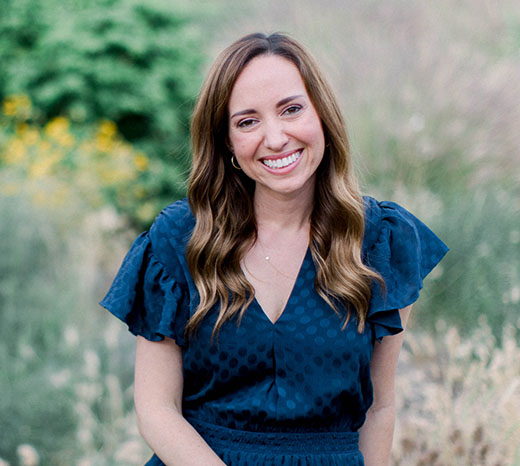
Dr. Melissa Estavillo
Psy.D. Clinical Psychology,
Arizona School of Professional Psychology
M.A. Clinical Psychology,
Arizona School of Professional Psychology
B.S. Psychology,
Grand Canyon University
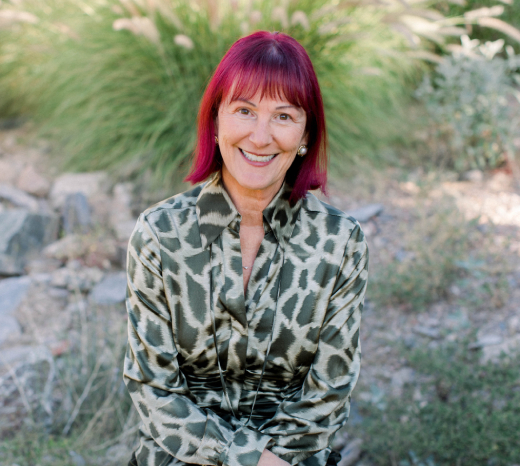
Dr. Linda DeBiase
Forest Institute of Professional Psychology, Doctorate in Clinical Psychology
Lake Forest College
B.A. Psychology
California School of Professional Psychology,
Clinical Psychology
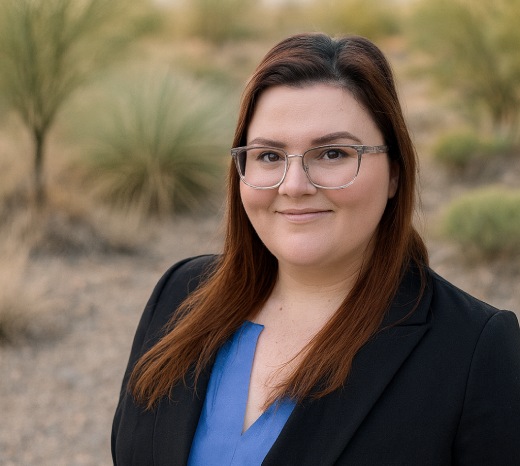
Dr. Nikki Kemper
Psy.D. Clinical Psychology,
Midwestern University
Masters in Clinical Psychology,
Midwestern University
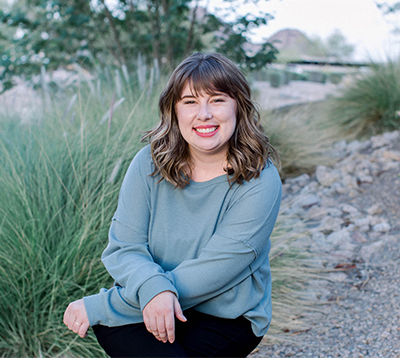
Nicole Elliott, LPC, PMH-C
M.C. Counseling,
Arizona State University
B.A. English (Literature),
Arizona State University
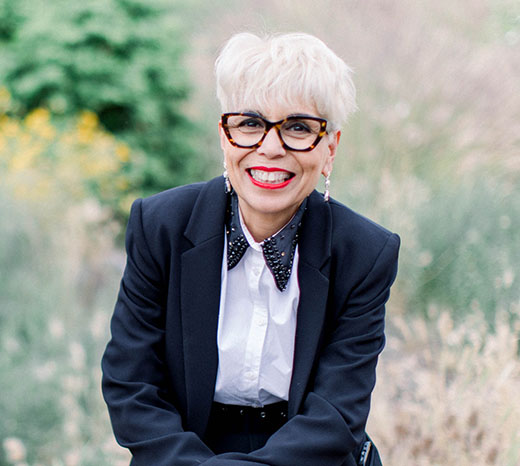
Elizabeth Felix, LPC
M.A. Professional Counseling, Ottawa University
M.A. Human Resources and Substance Abuse,
Ottawa University
B.A. Psychology,
Ottawa University
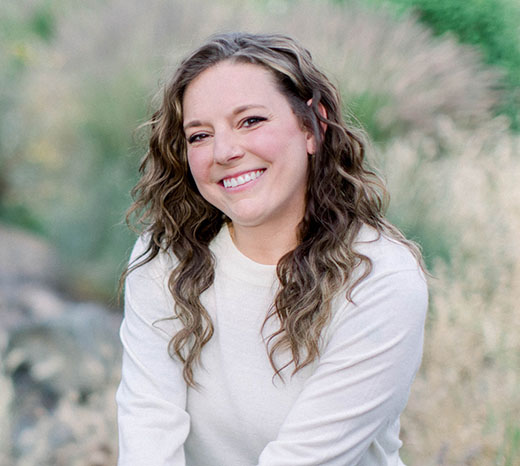
Heather Wheeler, LCSW
Masters in Social Work,
Arizona State University
B.A. Psychology,
Arizona State University
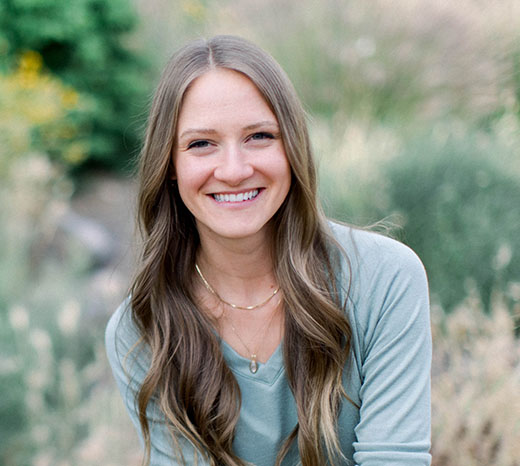
Laura Reed, LPC
M.S. Professional Counseling,
Grand Canyon University
B.S. Psychology,
Grand Canyon University
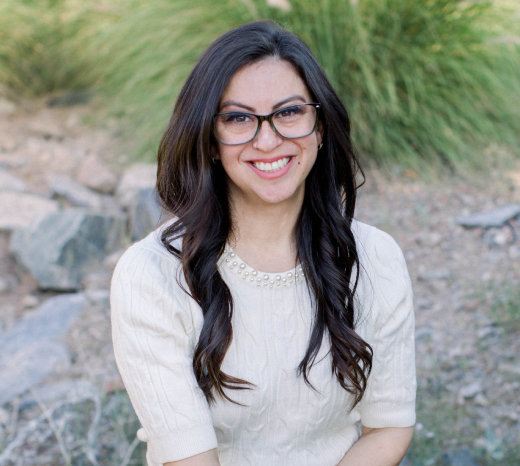
Rebecca Fregoso, LPC
M.S. Counseling,
University of Phoenix
B.A. Psychology,
California State University
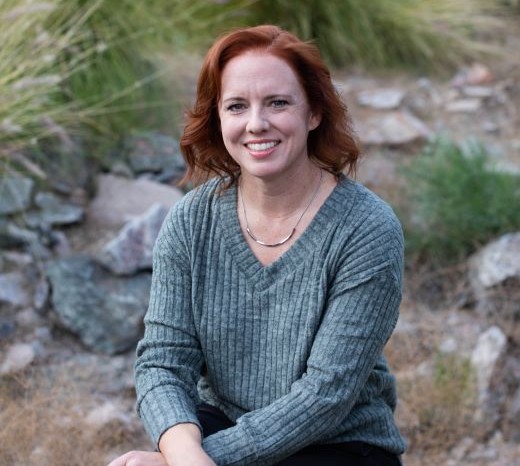
Kirsten Eby, LPC, ATR-BC
M.S. Art Therapy Counseling
Southern Illinois University, Edwardsville
M.A. Teaching, Elementary
American University
B.A. Psychology & Sociology
Tulane University
Dr. Melissa Estavillo
Psy.D. Clinical Psychology, Arizona School of Professional Psychology M.A. Clinical Psychology, Arizona School of Professional Psychology B.S. Psychology, Grand Canyon University
Dr Linda DeBiase
Forest Institute of Professional Psychology, Doctorate in Clinical Psychology Lake Forest College, B.A. Psychology California School of Professional Psychology, Clinical Psychology
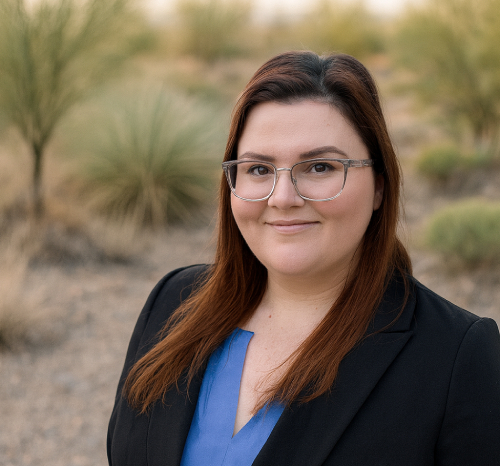
Dr Nikki Kemper
Psy.D. Clinical Psychology, Midwestern University Masters in Clinical Psychology, Midwestern University
Nicole Elliott, LPC
M.C. Counseling, Arizona State University B.A. English (Literature), Arizona State University
Elizabeth Felix, LPC
M.A. Professional Counseling, Ottawa University M.A. Human Resources and Substance Abuse, Ottawa University B.A. Psychology, Ottawa University<
Heather Wheeler, LCSW
Masters in Social Work, Arizona State University B.A. Psychology, Arizona State University
Laura Reed, LPC
M.S. Professional Counseling, Grand Canyon University B.S. Psychology, Grand Canyon University
Rebecca Fregoso, LPC
M.S. Counseling, University of Phoenix, B.A. Psychology, California State University
Kirsten Eby, LPC, ATR-BC
M.S. Art Therapy Counseling Southern Illinois University, Edwardsville M.A. Teaching, Elementary American University B.A. Psychology & Sociology Tulane University
Our Location in Phoenix, AZ
Address:
6245 N 24th Parkway, Suite #106 Phoenix, Arizona 85016
Phone: (480) 999-7070
Hours: Monday – Friday, 9:00 am – 5:00 pm