

Relationship Counseling
for Dating Couples
Therapy for Unmarried Couples
For many couples, increasing conflict and distress does not start when they are married, but begins while they are dating. When in the midst of dating distress, many couples fear that the early presence of conflict is a “sign” that the relationship may not be sustainable.
However, at Biltmore Psychology & Counseling, our Psychologists have worked with many dating couples and have found that pursuing counseling during this time does not indicate that the relationship is doomed to fail. In fact, many couples that choose to begin couples counseling while dating find that it actually sets them up for the success they are hoping for.
Dating distress does not mean that your relationship is bad or not the “right fit”. Good relationships are often hard work, and within our practice we help couples develop the skills they need to overcome hardship, and create a healthy, fulfilling connection. We have discovered that couples who are committed to the relationship and loving one another can flourish and benefit greatly from counseling when the experience dating distress.
Begin your journey with confidence
In a free, no-obligation 10-min consultation we can help you determine whether our services would be the right fit for you.
Our licensed clinicians apply professional expertise and understanding to provide the best holistic counseling services in Phoenix, AZ.
Contact us to schedule a free phone consultation.
Start your journey with confidence
In a free, no-obligation 10-min consultation we can help you determine whether our services would be the right fit for you.
Our licensed clinicians apply professional expertise and understanding to provide the best holistic counseling services in Phoenix, AZ.
Contact us to schedule a free phone consultation.
Couples Counseling For Unmarried Couples FAQ
Yes, there are several issues that are more common or feel especially challenging for dating couples, and counseling can be very helpful in addressing them. Dating relationships often involve navigating uncertainty around commitment, exclusivity, and long-term compatibility. Partners may have different timelines or expectations about where the relationship is headed, which can lead to anxiety, miscommunication, or conflict. Counseling provides a neutral space to talk openly about these expectations, clarify needs, and explore whether both partners are aligned in their goals.
Dating couples may also struggle with boundaries, trust, communication styles, or unresolved patterns from past relationships. Because many dating couples are still learning how they function together, misunderstandings can arise more easily, especially around conflict, emotional availability, or independence versus closeness. Counseling helps couples identify these patterns early, develop healthy communication and conflict-resolution skills, and make intentional choices about the relationship. Addressing these concerns proactively can strengthen the relationship or help partners gain clarity about whether moving forward together is the right decision.
No, going to couples counseling while dating does not mean a relationship is doomed. In fact, many couples seek counseling proactively as a way to strengthen their relationship, improve communication, and address concerns before they become more deeply rooted. Choosing counseling can be a sign of commitment, self-awareness, and a desire to build a healthier relationship. Therapy provides tools and insight that can help unmarried couples navigate challenges more effectively, whether they decide to continue building the relationship or determine that parting ways is the healthiest option.
Yes, couples counseling can be very effective for couples who are dating or living together but not married. Relationship challenges are not limited to marriage, and unmarried couples often face important questions about commitment, communication, boundaries, and future plans. Counseling provides a supportive space to explore these topics openly, strengthen emotional connection, and develop healthier ways of navigating conflict regardless of marital status.
For many couples, therapy is especially helpful during periods of transition, such as deciding whether to move in together, get engaged, blend families, or clarify long-term goals. Couples counseling can also help partners understand each other’s values, attachment styles, and expectations before they become more deeply ingrained. Whether the goal is to strengthen the relationship or gain clarity about its future, counseling can offer valuable tools and insight that support healthier, more intentional partnerships.
Meet Our Team
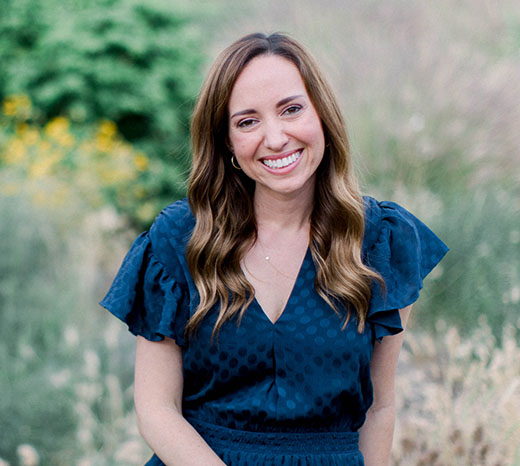
Dr. Melissa Estavillo
Psy.D. Clinical Psychology,
Arizona School of Professional Psychology
M.A. Clinical Psychology,
Arizona School of Professional Psychology
B.S. Psychology,
Grand Canyon University
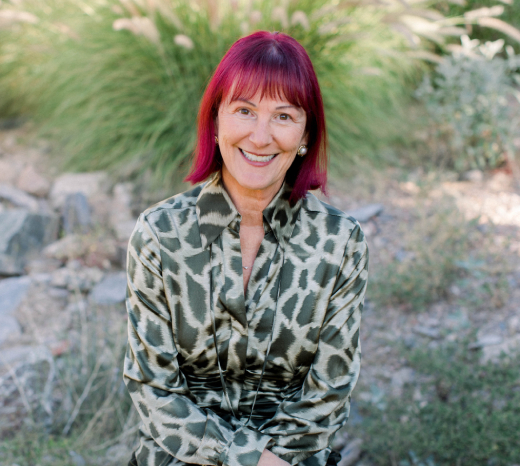
Dr. Linda DeBiase
Forest Institute of Professional Psychology, Doctorate in Clinical Psychology
Lake Forest College
B.A. Psychology
California School of Professional Psychology,
Clinical Psychology
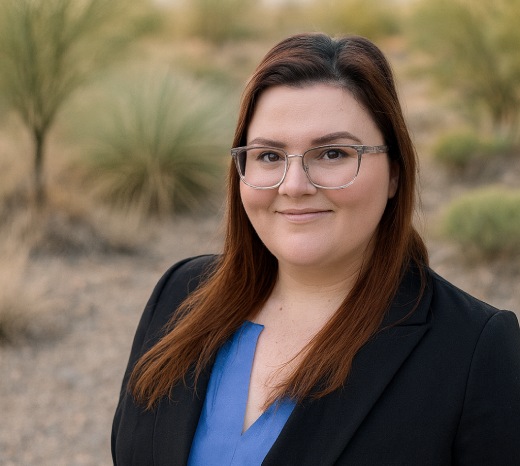
Dr. Nikki Kemper
Psy.D. Clinical Psychology,
Midwestern University
Masters in Clinical Psychology,
Midwestern University
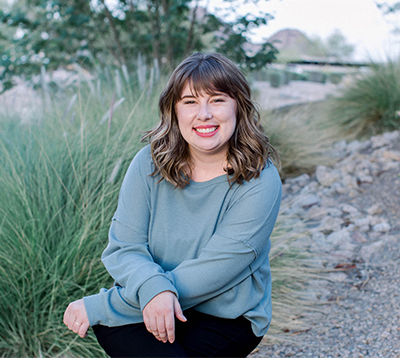
Nicole Elliott, LPC, PMH-C
M.C. Counseling,
Arizona State University
B.A. English (Literature),
Arizona State University
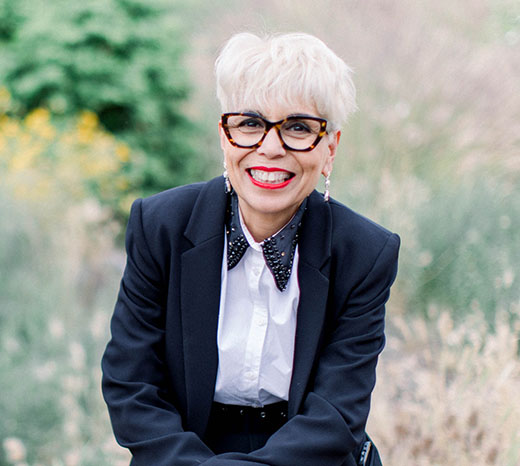
Elizabeth Felix, LPC
M.A. Professional Counseling, Ottawa University
M.A. Human Resources and Substance Abuse,
Ottawa University
B.A. Psychology,
Ottawa University
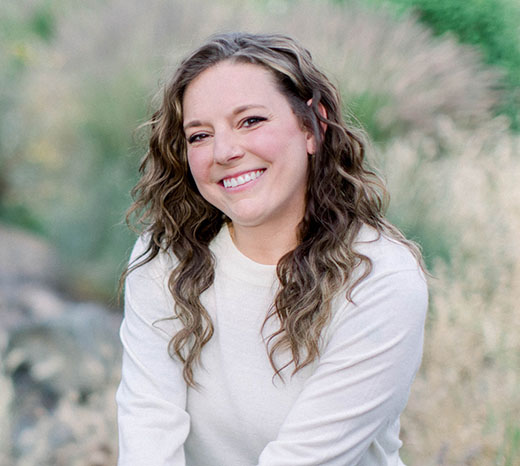
Heather Wheeler, LCSW
Masters in Social Work,
Arizona State University
B.A. Psychology,
Arizona State University
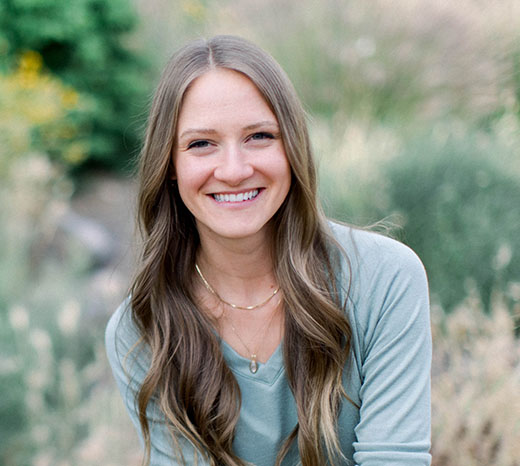
Laura Reed, LPC
M.S. Professional Counseling,
Grand Canyon University
B.S. Psychology,
Grand Canyon University
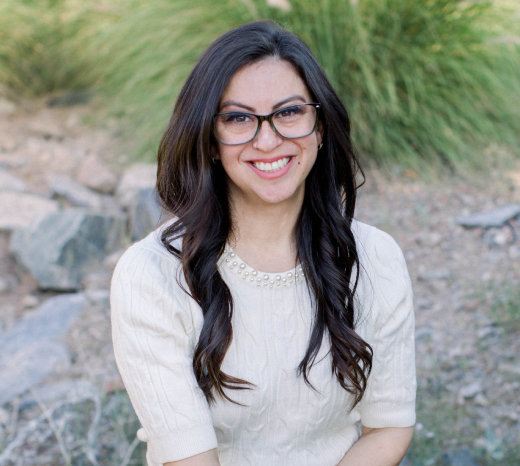
Rebecca Fregoso, LPC
M.S. Counseling,
University of Phoenix
B.A. Psychology,
California State University
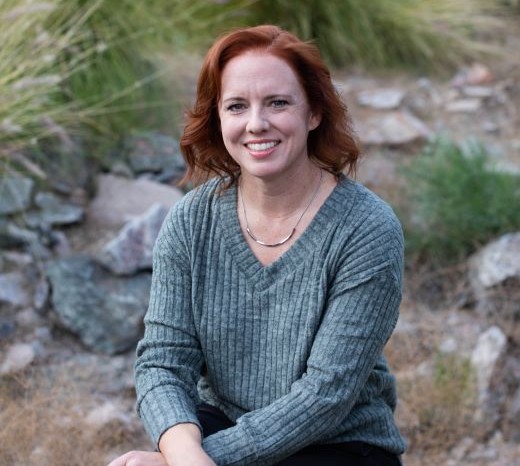
Kirsten Eby, LPC, ATR-BC
M.S. Art Therapy Counseling
Southern Illinois University, Edwardsville
M.A. Teaching, Elementary
American University
B.A. Psychology & Sociology
Tulane University
Dr. Melissa Estavillo
Psy.D. Clinical Psychology, Arizona School of Professional Psychology M.A. Clinical Psychology, Arizona School of Professional Psychology B.S. Psychology, Grand Canyon University
Dr Linda DeBiase
Forest Institute of Professional Psychology, Doctorate in Clinical Psychology Lake Forest College, B.A. Psychology California School of Professional Psychology, Clinical Psychology
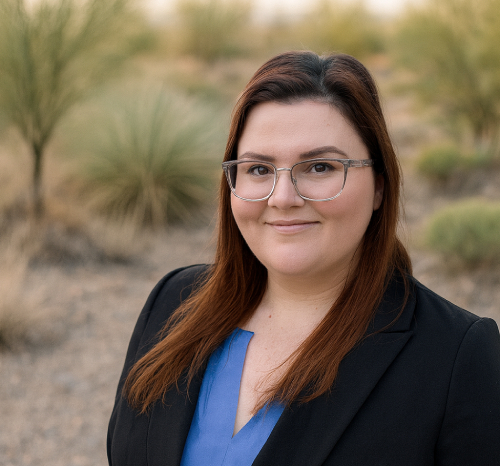
Dr Nikki Kemper
Psy.D. Clinical Psychology, Midwestern University Masters in Clinical Psychology, Midwestern University
Nicole Elliott, LPC
M.C. Counseling, Arizona State University B.A. English (Literature), Arizona State University
Elizabeth Felix, LPC
M.A. Professional Counseling, Ottawa University M.A. Human Resources and Substance Abuse, Ottawa University B.A. Psychology, Ottawa University<
Heather Wheeler, LCSW
Masters in Social Work, Arizona State University B.A. Psychology, Arizona State University
Laura Reed, LPC
M.S. Professional Counseling, Grand Canyon University B.S. Psychology, Grand Canyon University
Rebecca Fregoso, LPC
M.S. Counseling, University of Phoenix, B.A. Psychology, California State University
Kirsten Eby, LPC, ATR-BC
M.S. Art Therapy Counseling Southern Illinois University, Edwardsville M.A. Teaching, Elementary American University B.A. Psychology & Sociology Tulane University
Our Location in Phoenix, AZ
Address:
6245 N 24th Parkway, Suite #106 Phoenix, Arizona 85016
Phone: (480) 999-7070
Hours: Monday – Friday, 9:00 am – 5:00 pm