



End-of-Life Counseling & Support for Terminal Illness
When Facing the End, You Don’t Have to Do It Alone
A terminal illness brings more than just physical challenges—it brings emotional, psychological, and spiritual questions that deserve gentle and expert support. Whether you are the one facing a diagnosis or are caring for a loved one nearing life’s end, counseling can offer a space of safety, reflection, and healing.
At Biltmore Psychology and Counseling, we provide compassionate end-of-life counseling designed to help individuals and families navigate this deeply personal and often overwhelming time. Our goal is to bring peace, clarity, and connection to the forefront, so that each moment can hold meaning.
Who Can Benefit from End-of-Life Counseling?
End-of-life support is valuable for
Individuals with a recent or ongoing terminal diagnosis
People struggling with fear of death, pain, or the unknown
Families navigating the caregiving process
Loved ones anticipating loss or experiencing anticipatory grief.
Anyone seeking to process life, love, regrets, or legacy
You don’t have to be in hospice or nearing your final days to benefit from this type of care.
Support is available at any stage of the journey.
What to Expect in Therapy
End-of-life counseling is not about “fixing” anything—it’s about presence, honesty, and connection. Sessions with Nicole may include:
- Gentle, open-ended conversations about meaning, values, and beliefs
- Coping strategies for anxiety, depression, and spiritual distress
- Grief counseling before loss occurs.
- Support for life review and emotional closure
- Increased emotional regulation and inner peace
Nicole tailors each session to meet you exactly where you are, emotionally and physically.
A Space to Be Fully Seen and Heard
Facing terminal illness is one of life’s most profound experiences. Counseling at Biltmore Psychology and Counseling provides a place to talk freely, explore without pressure, and find comfort in being fully seen and heard.
This is your space—for whatever you need it to be.
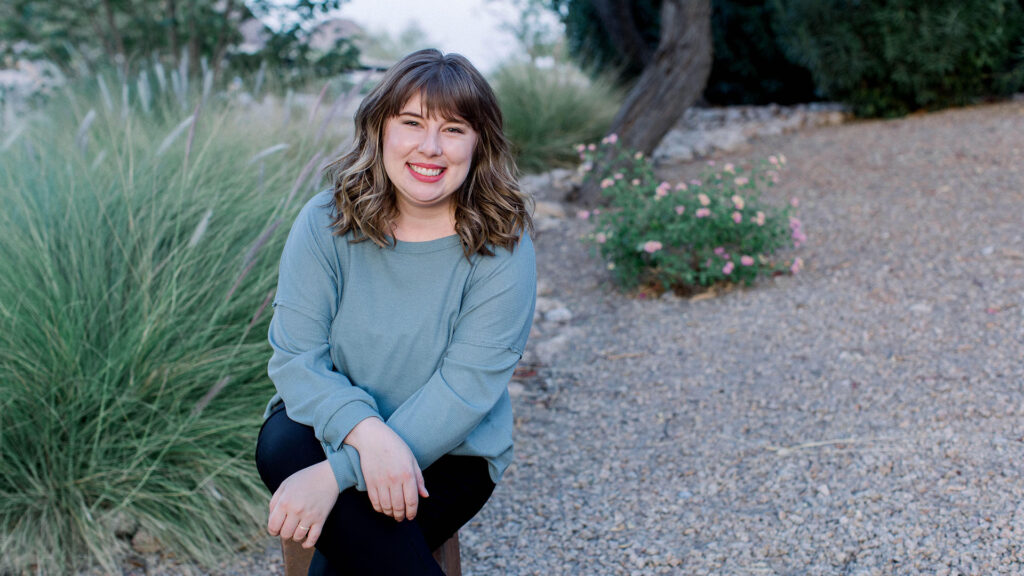
Meet Nicole Elliott, LPC
Specialist in Grief, Loss, and End-of-Life Transitions
M.C. Counseling, Arizona State University
B.A. English (Literature), Arizona State University
Nicole Elliot is a Licensed Professional Counselor with a deeply rooted passion for helping individuals and families through the emotional complexities of terminal illness and end-of-life transitions. Her approach is centered on presence, empathy, and dignity, offering clients a nonjudgmental space to explore their fears, values, relationships, and hopes for the future.
Nicole integrates existential therapy, meaning-making practices, and mindfulness-based support to help clients:
Cope with fear, sadness, and anticipatory grief.
Navigate family conversations and unresolved relationship concerns.
Create emotional and spiritual legacy projects.
Address questions about life purpose and mortality.
Find peace in uncertainty and honor what matters most.
Whether you’re facing your diagnosis or walking alongside someone you love, Nicole is here to walk with you.
Meet Nicole Elliott, LPC
Specialist in Grief, Loss, and End-of-Life Transitions
M.C. Counseling, Arizona State University
B.A. English (Literature), Arizona State University
Nicole Elliot is a Licensed Professional Counselor with a deeply rooted passion for helping individuals and families through the emotional complexities of terminal illness and end-of-life transitions. Her approach is centered on presence, empathy, and dignity, offering clients a nonjudgmental space to explore their fears, values, relationships, and hopes for the future.
Nicole integrates existential therapy, meaning-making practices, and mindfulness-based support to help clients:
- Cope with fear, sadness, and anticipatory grief
- Navigate family conversations and unresolved relationship concerns.
- Create emotional and spiritual legacy projects.
- Address questions about life purpose and mortality.
- Find peace in uncertainty and honor what matters most.
Whether you’re facing your diagnosis or walking alongside someone you love, Nicole is here to walk with you.
Begin your journey with confidence
In a free, no-obligation 10-min consultation we can help you determine whether our services would be the right fit for you.
Our licensed clinicians apply professional expertise and understanding to provide the best holistic counseling services in Phoenix, AZ.
Contact us to schedule a free phone consultation.
Start your journey with confidence
In a free, no-obligation 10-min consultation we can help you determine whether our services would be the right fit for you.
Our licensed clinicians apply professional expertise and understanding to provide the best holistic counseling services in Phoenix, AZ.
Contact us to schedule a free phone consultation.
End of Life Counseling FAQ
Counseling can provide emotional support, comfort, and a sense of grounding for individuals facing a terminal illness. It offers a safe space to process complex emotions such as fear, sadness, anger, uncertainty, and grief, while also helping individuals explore meaning, values, and priorities during this stage of life. End-of-life counseling supports coping with changes in identity, independence, and relationships, and can help individuals communicate their wishes, reflect on their life, and find moments of peace or connection. Counseling does not aim to change medical outcomes, but rather to support emotional well-being, dignity, and quality of life alongside medical or hospice care.
End-of-life counseling is not inherently spiritual or religious, though it can include spiritual themes if that is meaningful to the individual. Counseling is always guided by the person’s beliefs, values, and preferences. Some individuals find comfort in exploring spiritual or existential questions, while others focus on emotional support, relationships, legacy, or practical concerns. Therapists do not impose religious beliefs or spiritual frameworks; instead, they create space for individuals to explore what gives their life meaning, whether that includes faith, spirituality, philosophy, or personal values. End-of-life counseling is inclusive and respectful of all belief systems, including secular perspectives.
Anticipatory grief refers to the grief that occurs before a loss happens, often experienced by individuals facing a terminal illness as well as their loved ones. It can include feelings of sadness, fear, anger, guilt, or longing, alongside moments of connection and reflection. Anticipatory grief may involve grieving future losses such as missed milestones, changes in roles, or the loss of shared plans, while the person is still alive. Counseling can help individuals and families understand and normalize these feelings, process them with compassion, and find ways to stay present and connected during the time they have together.
End-of-life counseling can benefit anyone impacted by a terminal illness, including the individual who is ill, family members, partners, caregivers, and close friends. Some people choose to attend counseling individually, while others participate as a family or support system. Caregivers and loved ones often experience emotional strain, anticipatory grief, and burnout. Counseling can offer them support as well. Participation is flexible and based on need; there is no “right” way to engage. End-of-life counseling is meant to support all those navigating the emotional, relational, and existential aspects of this stage of life.
Meet Our Team
Dr. Melissa Estavillo
Psy.D. Clinical Psychology,
Arizona School of Professional Psychology
M.A. Clinical Psychology,
Arizona School of Professional Psychology
B.S. Psychology,
Grand Canyon University
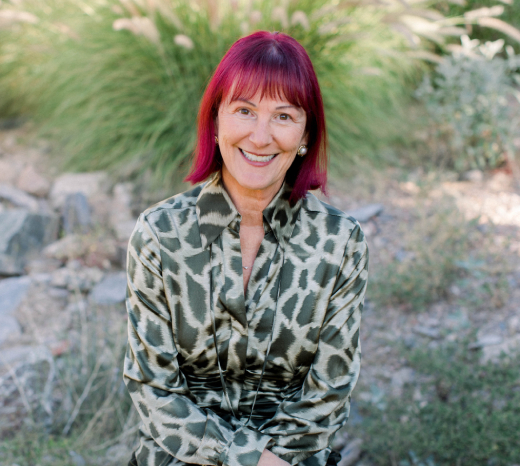
Dr. Linda DeBiase
Forest Institute of Professional Psychology, Doctorate in Clinical Psychology
Lake Forest College
B.A. Psychology
California School of Professional Psychology,
Clinical Psychology
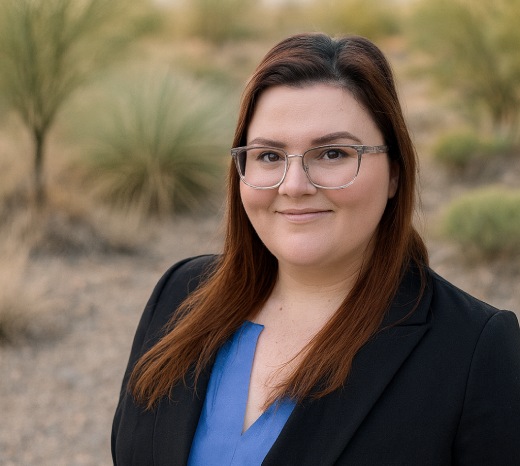
Dr. Nikki Kemper
Psy.D. Clinical Psychology,
Midwestern University
Masters in Clinical Psychology,
Midwestern University
Nicole Elliott, LPC, PMH-C
M.C. Counseling,
Arizona State University
B.A. English (Literature),
Arizona State University
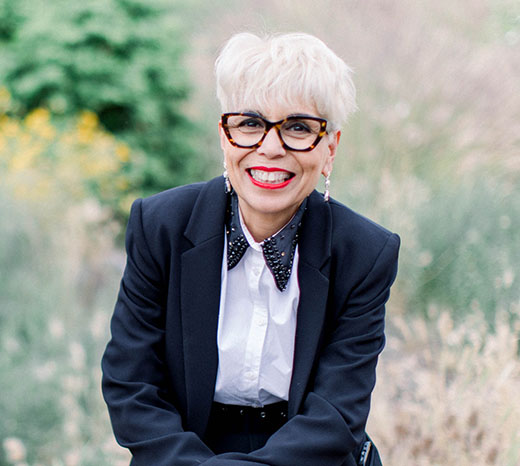
Elizabeth Felix, LPC
M.A. Professional Counseling, Ottawa University
M.A. Human Resources and Substance Abuse,
Ottawa University
B.A. Psychology,
Ottawa University
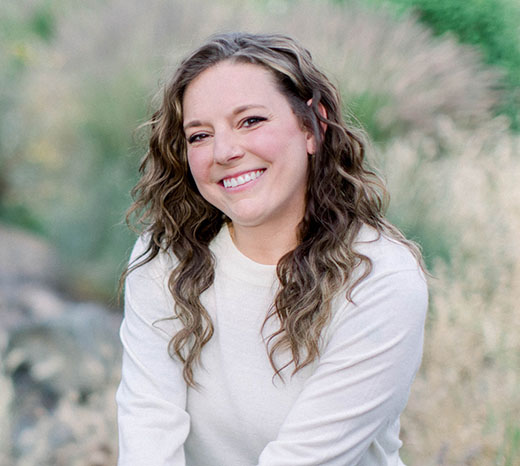
Heather Wheeler, LCSW
Masters in Social Work,
Arizona State University
B.A. Psychology,
Arizona State University
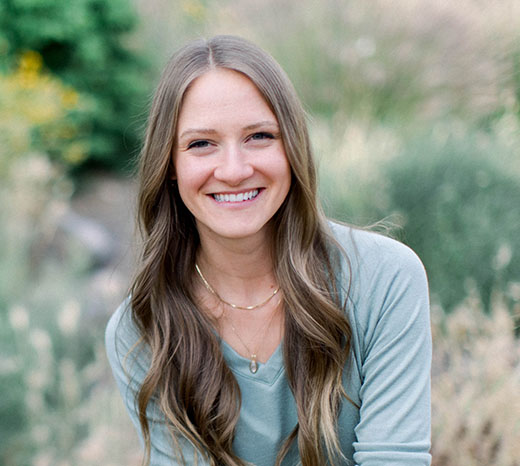
Laura Reed, LPC
M.S. Professional Counseling,
Grand Canyon University
B.S. Psychology,
Grand Canyon University
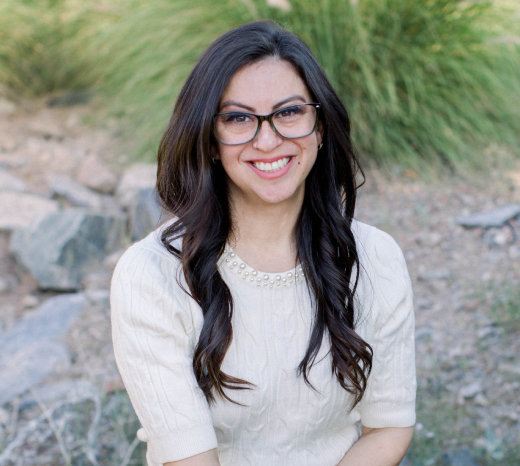
Rebecca Fregoso, LPC
M.S. Counseling,
University of Phoenix
B.A. Psychology,
California State University
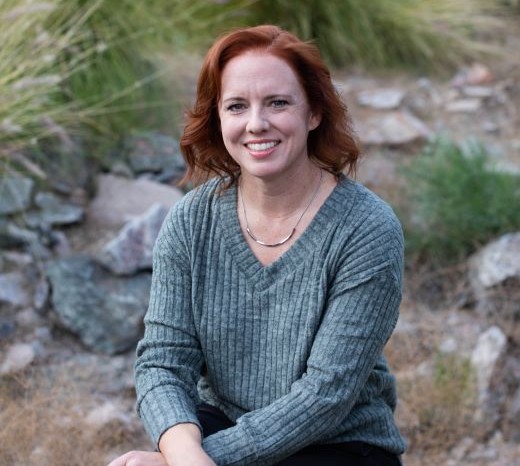
Kirsten Eby, LPC, ATR-BC
M.S. Art Therapy Counseling
Southern Illinois University, Edwardsville
M.A. Teaching, Elementary
American University
B.A. Psychology & Sociology
Tulane University
Dr. Melissa Estavillo
Psy.D. Clinical Psychology, Arizona School of Professional Psychology M.A. Clinical Psychology, Arizona School of Professional Psychology B.S. Psychology, Grand Canyon University
Dr Linda DeBiase
Forest Institute of Professional Psychology, Doctorate in Clinical Psychology Lake Forest College, B.A. Psychology California School of Professional Psychology, Clinical Psychology
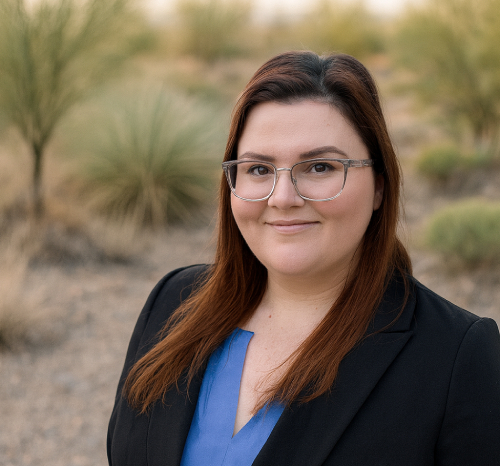
Dr Nikki Kemper
Psy.D. Clinical Psychology, Midwestern University Masters in Clinical Psychology, Midwestern University
Nicole Elliott, LPC
M.C. Counseling, Arizona State University B.A. English (Literature), Arizona State University
Elizabeth Felix, LPC
M.A. Professional Counseling, Ottawa University M.A. Human Resources and Substance Abuse, Ottawa University B.A. Psychology, Ottawa University<
Heather Wheeler, LCSW
Masters in Social Work, Arizona State University B.A. Psychology, Arizona State University
Laura Reed, LPC
M.S. Professional Counseling, Grand Canyon University B.S. Psychology, Grand Canyon University
Rebecca Fregoso, LPC
M.S. Counseling, University of Phoenix, B.A. Psychology, California State University
Kirsten Eby, LPC, ATR-BC
M.S. Art Therapy Counseling Southern Illinois University, Edwardsville M.A. Teaching, Elementary American University B.A. Psychology & Sociology Tulane University
Schedule a Session with Nicole Elliot
If you or someone you love is navigating terminal illness or end-of-life concerns, we invite you to connect with us.
Nicole is here to help you move through this season with grace, courage, and connection.
Call Biltmore Psychology and Counseling at (480)-999-7070
Located in Phoenix, Arizona | In-person & Telehealth appointments available