



Adult ADHD Counseling
in Phoenix, AZ
Adult ADHD Counseling
If you are an adult who has been diagnosed with or suspects you may have ADHD, you know that some “simple” aspects of a neurotypical lifestyle may be difficult. You may be here because you are tired of hearing about how much you mess up or forget things, how you are often moody and struggle with communication, or lack the discipline to see things through to the end. All of this can be exhausting, and without someone to help you who understands ADHD, one can feel hopeless and worthless.
At Biltmore Psychology and Counseling (BPC) we want you to know that you are not broken, weird or faking it. People with ADHD have unique brains that change the way areas responsible for executive functioning operate. This can result in weaker impulse control, decreased working memory, increased irritability, and trouble with sustained focus. Yet, these differences can also result in people with ADHD being more creative, light-hearted, and courageous in crisis events.
Read More
While individuals with ADHD often feel alone in their differences, this neurodiversity is surprisingly common.According to the National Institute of Mental Health, between 4% – 9% of adults in America have ADHD. And while this is one of the most commonly occurring mental health diagnoses, the misconceptions around this brain difference abound.
As ADHD presents on a spectrum from debilitating to very mild, many high-functioning, successful, and creative adults go unseen and untreated for years. Yet, people with ADHD can lead incredibly successful and happy lives when they understand their brains, identify the tools that help them overcome negative symptoms, and seek the support that treatment provides.
While we know that ADHD often impacts the individual, we also know that ADHD may have a substantial impact on the family of those with the diagnosis. Learning to live with and support a family member, spouse, partner or child with ADHD can be an important part of the overall treatment. Couples with an ADHD partner may benefit from the unique tools and systems taught in ADHD Couples counseling, allowing for a healthier relationship. The non-ADHD partner may find counseling to be a benefit in learning to cope and overcome circumstances that often cause the relationship frustration and distress.
As knowledge about ADHD has increased in the mental health field, the therapies and support systems have greatly improved. BPC counselors use a number of counseling techniques and systems such as Cognitive Behavioral Therapy (CBT), mindfulness training, Dialectical Behavioral Therapy DBT, Psycho-social education and Emotionally Focused Therapy (EFT) in the counseling process.
BPC therapists strongly support and are experienced in collaboration and coordination of care with psychiatrists, ADHD coaches, nutritionists, and other professionals to ensure holistic treatment and support of ADHD.
Common Topics for Adult ADHD Counseling
Emotional Reactivity
Distractibility
Disorganization
Anxiety over passing on ADHD to children
Parenting Children with ADHD
Hyperfocus
Negative Feedback fatigue
Working memory issues/forgetfulness
Impulse control
Self-medicating behaviors
Conflict with neurotypical spouse or partner
Meet Dr. Melissa Estavillo
Psy.D. Clinical Psychology,
Arizona School of Professional Psychology
M.A. Clinical Psychology,
Arizona School of Professional Psychology
B.S. Psychology,
Grand Canyon University

Specialties:
General Counseling
Couples Counseling
Medical Counseling
Faith and Spiritual Counseling
LGBTQ+
Emotionally Focused Therapy (EFT)
Meet Dr. Melissa Estavillo
Psy.D. Clinical Psychology,
Arizona School of Professional Psychology
M.A. Clinical Psychology,
Arizona School of Professional Psychology
B.S. Psychology,
Grand Canyon University
Specialties:
General Counseling
Couples Counseling
Medical Counseling
Faith and Spiritual Counseling
LGBTQ+
Emotionally Focused Therapy (EFT)
Begin your journey with confidence
In a free, no-obligation 10-min consultation we can help you determine whether our services would be the right fit for you.
Our licensed clinicians apply professional expertise and understanding to provide the best holistic counseling services in Phoenix, AZ.
Contact us to schedule a free phone consultation.
Start your journey with confidence
In a free, no-obligation 10-min consultation we can help you determine whether our services would be the right fit for you.
Our licensed clinicians apply professional expertise and understanding to provide the best holistic counseling services in Phoenix, AZ.
Contact us to schedule a free phone consultation.
Adult ADHD Counseling FAQs
Yes, ADHD is absolutely real and recognized by all credible mental health and medical governing authorities. First recognized by a British pediatrician in 1902, it is one of the most common neurodevelopmental disorders in children. Differences in brain functioning can be seen on fMRI, SPECT scan, and neuropsychological assessment. Lastly, the Americans with Disability Act (ADA) lists ADHD as a recognized disability and requires that employers make reasonable accommodations for individuals with the disorder.
This is a very common misconception. While ADHD is more prevalent in kids than adults, 4-9% of the US adult population has ADHD. While some children outgrow some symptoms of the diagnosis, most continue to experience symptoms of the disorder into adulthood. Hyperactivity tends to be more mild or controlled in adults, while gaps in memory or complex executive function may be more persistent given the increased demands of adult life.
It is true that some ADHD medications can have addictive potential. Yet, the vast majority of children and adults do not abuse their medications. In fact, children and adults medicated for ADHD often have less risk of substance abuse when compared to non-medicated individuals with ADHD. Those concerned about addiction potential may also consider non-stimulant ADHD medication.
Although a person with ADHD may benefit significantly from medication, this may not provide all the support needed. Often untreated ADHD results in strained romantic, family, and work relationships that often need repair. Additionally, many people find counseling to be beneficial in helping to develop behavioral patterns that make living with ADHD more manageable in a neurotypical world.
No. Many people with ADHD choose to avoid medication and rely on counseling and other behavioral tools to help manage their ADHD. Each person with ADHD is unique, and counseling can help you to identify the tools and treatments that will best support you and your family in managing ADHD.
This is absolutely not true. ADHD can be caused by a number of factors, including brain damage, exposure to alcohol or drugs in pregnancy, low birth weight, or family history. According to one study published by the National Institute of Health, the heritability of ADHD is estimated between 77%-88%. Additionally, prevalence studies show that ADHD is present in all countries and cultures across the world. Countries with high standards of attention and commitment to school work, like Japan and India, show a similar prevalence of ADHD to countries like the US.
Meet Our Team
Dr. Melissa Estavillo
Psy.D. Clinical Psychology,
Arizona School of Professional Psychology
M.A. Clinical Psychology,
Arizona School of Professional Psychology
B.S. Psychology,
Grand Canyon University
Dr. Linda DeBiase
Forest Institute of Professional Psychology, Doctorate in Clinical Psychology
Lake Forest College
B.A. Psychology
California School of Professional Psychology,
Clinical Psychology
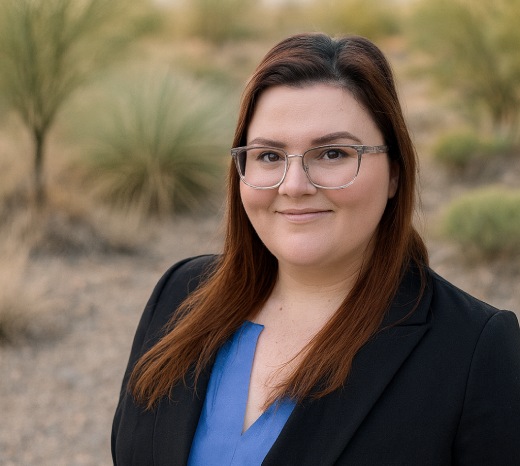
Dr. Nikki Kemper
Psy.D. Clinical Psychology,
Midwestern University
Masters in Clinical Psychology,
Midwestern University
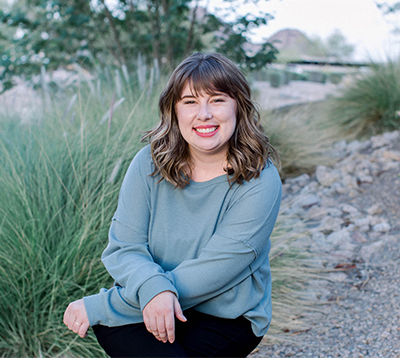
Nicole Elliott, LPC, PMH-C
M.C. Counseling,
Arizona State University
B.A. English (Literature),
Arizona State University
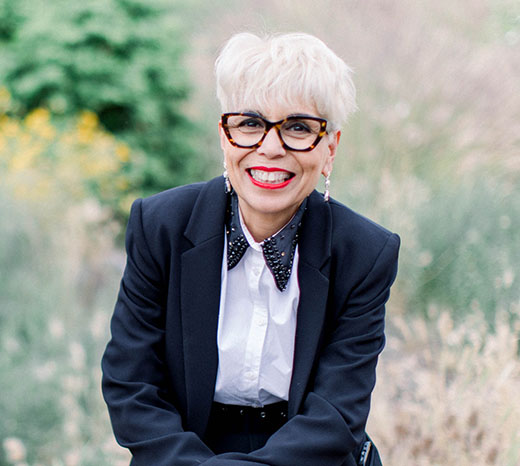
Elizabeth Felix, LPC
M.A. Professional Counseling, Ottawa University
M.A. Human Resources and Substance Abuse,
Ottawa University
B.A. Psychology,
Ottawa University

Heather Wheeler, LCSW
Masters in Social Work,
Arizona State University
B.A. Psychology,
Arizona State University
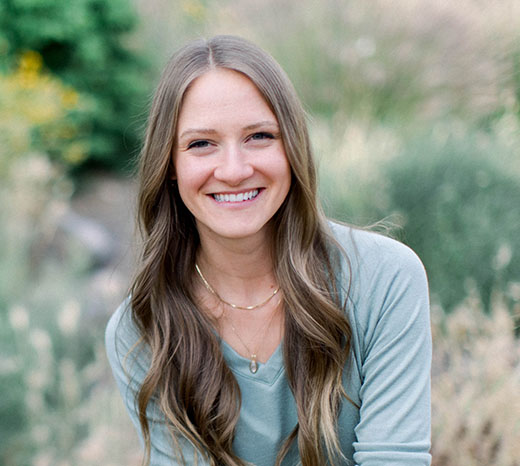
Laura Reed, LPC
M.S. Professional Counseling,
Grand Canyon University
B.S. Psychology,
Grand Canyon University
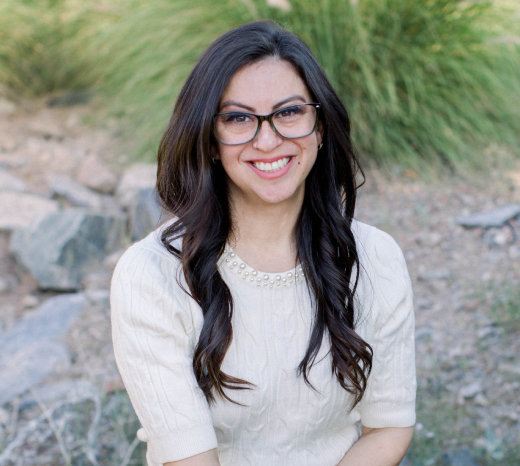
Rebecca Fregoso, LPC
M.S. Counseling,
University of Phoenix
B.A. Psychology,
California State University
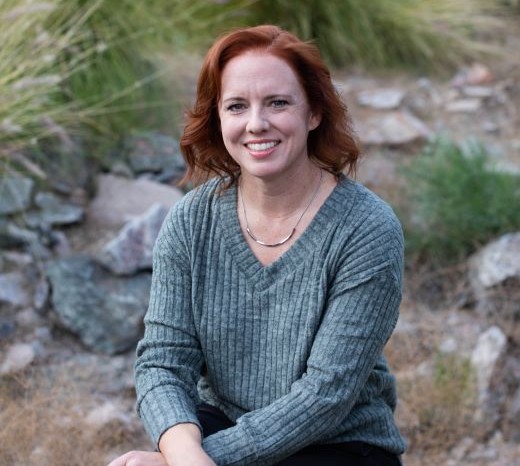
Kirsten Eby, LPC, ATR-BC
M.S. Art Therapy Counseling
Southern Illinois University, Edwardsville
M.A. Teaching, Elementary
American University
B.A. Psychology & Sociology
Tulane University
Dr. Melissa Estavillo
Psy.D. Clinical Psychology, Arizona School of Professional Psychology M.A. Clinical Psychology, Arizona School of Professional Psychology B.S. Psychology, Grand Canyon University
Dr Linda DeBiase
Forest Institute of Professional Psychology, Doctorate in Clinical Psychology Lake Forest College, B.A. Psychology California School of Professional Psychology, Clinical Psychology
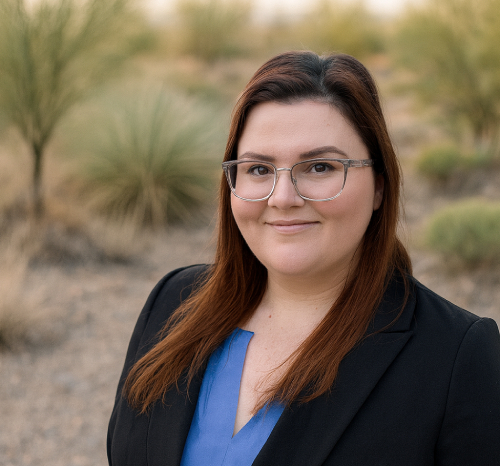
Dr Nikki Kemper
Psy.D. Clinical Psychology, Midwestern University Masters in Clinical Psychology, Midwestern University
Nicole Elliott, LPC
M.C. Counseling, Arizona State University B.A. English (Literature), Arizona State University
Elizabeth Felix, LPC
M.A. Professional Counseling, Ottawa University M.A. Human Resources and Substance Abuse, Ottawa University B.A. Psychology, Ottawa University<
Heather Wheeler, LCSW
Masters in Social Work, Arizona State University B.A. Psychology, Arizona State University
Laura Reed, LPC
M.S. Professional Counseling, Grand Canyon University B.S. Psychology, Grand Canyon University
Rebecca Fregoso, LPC
M.S. Counseling, University of Phoenix, B.A. Psychology, California State University
Kirsten Eby, LPC, ATR-BC
M.S. Art Therapy Counseling Southern Illinois University, Edwardsville M.A. Teaching, Elementary American University B.A. Psychology & Sociology Tulane University
Our Location in Phoenix, AZ
Address:
6245 N 24th Parkway, Suite #106 Phoenix, Arizona 85016
Phone: (480) 999-7070
Hours: Monday – Friday, 9:00 am – 5:00 pm