


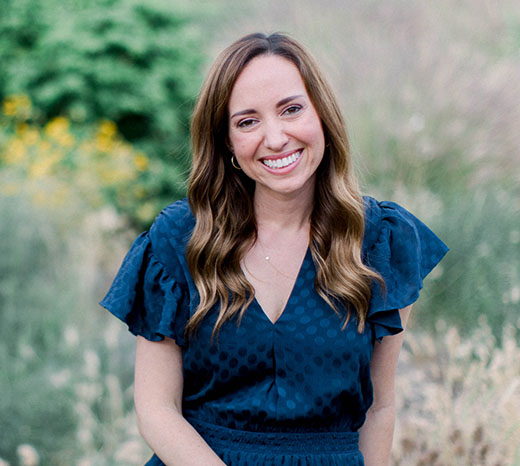
Body Image Counseling
in Phoenix, AZ
Body Image Counseling
Body image counseling can be helpful for individuals who have experienced transitions with their bodies, or who have lost a positive sense of self-identity.
Today, it is all too common for women and men to struggle with body image and the way their body looks. With images of perfection everywhere, it is no wonder many of us struggle with seeing our beauty or seeing ourselves as we really are.
Following a break-up, disappointing life event, or trauma, we may often focus on parts of our body that we do not like and lose perspective on our inner and outer beauty. At Biltmore Psychology & Counseling, our psychologists help both women and men overcome the negative body image that they may have of themselves, learn to love their body, and manage feelings of depression and anxiety.
Additionally, while our counselors do not specifically work with individuals with active eating disorders such as anorexia or bulimia, we are happy to provide you with referrals for excellent professionals who specialize in this care.
Begin your journey with confidence
In a free, no-obligation 10-min consultation we can help you determine whether our services would be the right fit for you.
Our licensed clinicians apply professional expertise and understanding to provide the best holistic counseling services in Phoenix, AZ.
Contact us to schedule a free phone consultation.
Start your journey with confidence
In a free, no-obligation 10-min consultation we can help you determine whether our services would be the right fit for you.
Our licensed clinicians apply professional expertise and understanding to provide the best holistic counseling services in Phoenix, AZ.
Contact us to schedule a free phone consultation.
Body Image Counseling FAQ
Body image counseling is a form of therapy that helps individuals develop a healthier, more compassionate relationship with their bodies. It addresses negative thoughts, beliefs, and emotions related to appearance, weight, shape, or physical differences, as well as how these concerns affect self-esteem, confidence, and daily functioning. Body image counseling is not about changing the body itself, but about changing the way a person relates to their body, reducing shame, self-criticism, and unhealthy comparison while building self-acceptance and resilience.
Body image counseling can benefit people of all ages, genders, and body types who struggle with dissatisfaction, shame, or distress related to their appearance. This includes individuals affected by weight stigma, chronic dieting, social anxiety, or low self-esteem. It can also be helpful for people whose body image concerns are connected to life experiences such as puberty, aging, pregnancy, illness, injury, disability, or cultural and societal pressures. Anyone whose relationship with their body impacts their emotional well-being may find body image counseling helpful. Body Image Counseling is not the appropriate level of care for individuals with moderate to severe eating disorders.
Self-esteem and body image therapy often draws from evidence-based approaches such as Cognitive Behavioral Therapy (CBT), which helps identify and challenge unhelpful beliefs and self-critical thought patterns about the body. Acceptance and Commitment Therapy (ACT) may be used to support body acceptance and reduce avoidance while focusing on values-based living. Therapists may also incorporate mindfulness-based practices, self-compassion work, and trauma-informed approaches to help clients reconnect with their bodies in a safer, more respectful way. Our clinicians often integrate multiple modalities to tailor treatment to each individual’s needs.
Yes. Therapy can be especially helpful for body image concerns that stem from trauma, medical conditions, illness, injury, surgery, or disability. Experiences such as medical procedures, chronic pain, changes in mobility, scarring, or loss of function can significantly affect how someone feels about their body. Trauma-informed body image counseling helps individuals process these experiences, rebuild a sense of safety and trust in their bodies, and grieve losses while fostering self-compassion and acceptance. Therapy supports healing not by minimizing what has happened, but by helping individuals reconnect with their bodies in a supportive, respectful, and empowering way.
The length of body image counseling varies depending on individual goals, history, and the depth of concerns. Progress is often gradual, as changing one’s relationship with their body takes time and practice. Your therapist will regularly collaborate with you to assess progress and adjust the pace and focus of therapy as needed.
Meet Our Team
Dr. Melissa Estavillo
Psy.D. Clinical Psychology,
Arizona School of Professional Psychology
M.A. Clinical Psychology,
Arizona School of Professional Psychology
B.S. Psychology,
Grand Canyon University
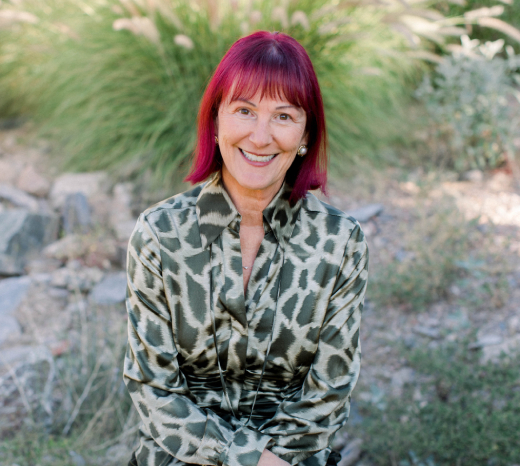
Dr. Linda DeBiase
Forest Institute of Professional Psychology, Doctorate in Clinical Psychology
Lake Forest College
B.A. Psychology
California School of Professional Psychology,
Clinical Psychology
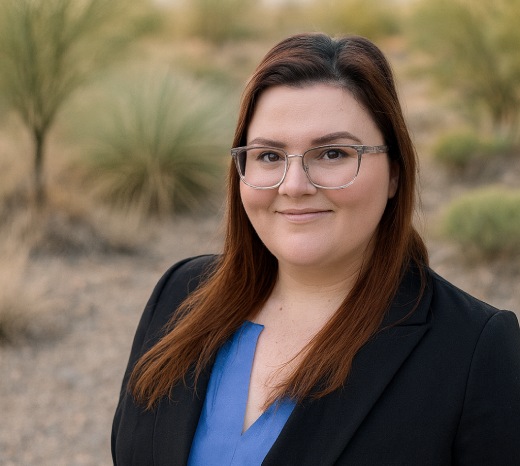
Dr. Nikki Kemper
Psy.D. Clinical Psychology,
Midwestern University
Masters in Clinical Psychology,
Midwestern University
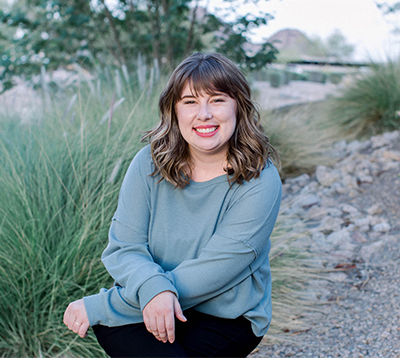
Nicole Elliott, LPC, PMH-C
M.C. Counseling,
Arizona State University
B.A. English (Literature),
Arizona State University
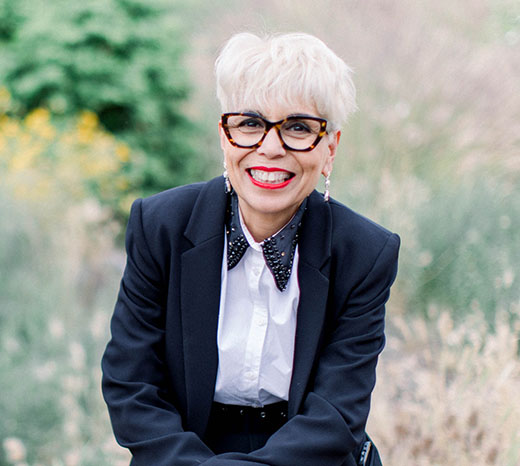
Elizabeth Felix, LPC
M.A. Professional Counseling, Ottawa University
M.A. Human Resources and Substance Abuse,
Ottawa University
B.A. Psychology,
Ottawa University
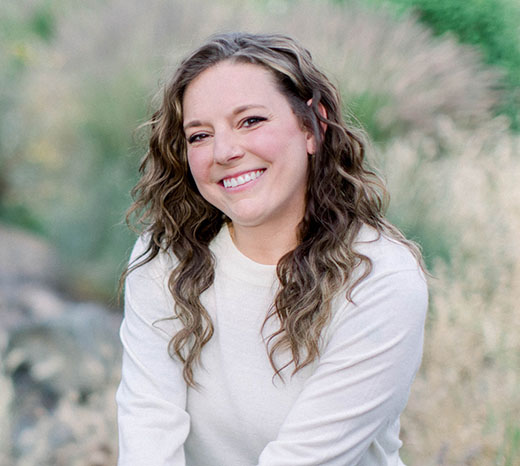
Heather Wheeler, LCSW
Masters in Social Work,
Arizona State University
B.A. Psychology,
Arizona State University
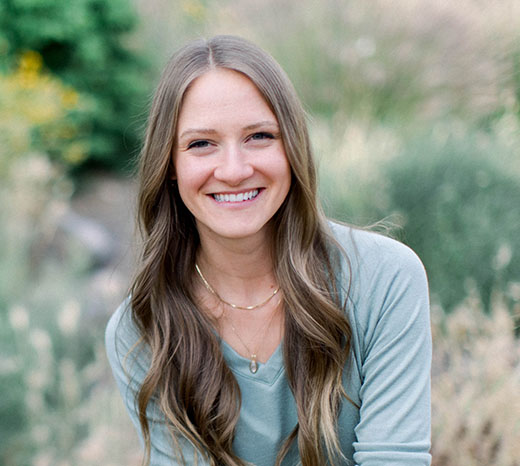
Laura Reed, LPC
M.S. Professional Counseling,
Grand Canyon University
B.S. Psychology,
Grand Canyon University
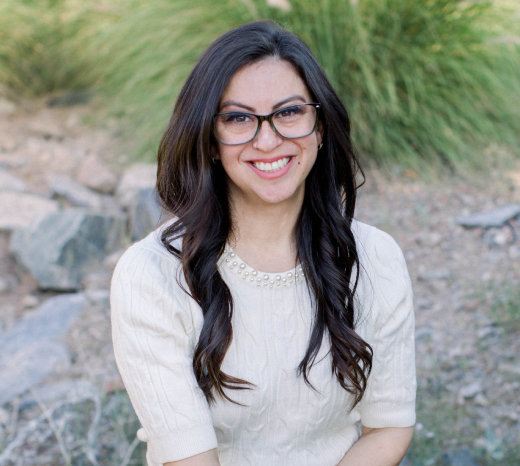
Rebecca Fregoso, LPC
M.S. Counseling,
University of Phoenix
B.A. Psychology,
California State University
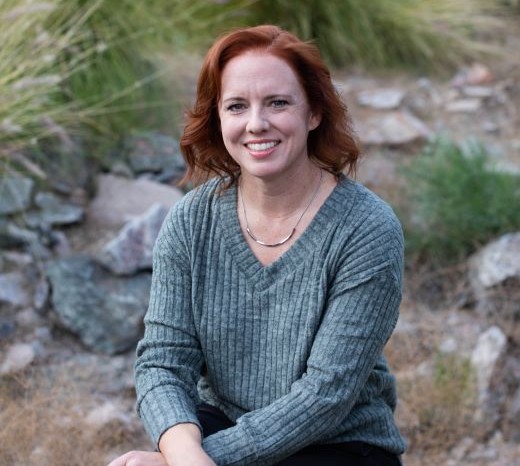
Kirsten Eby, LPC, ATR-BC
M.S. Art Therapy Counseling
Southern Illinois University, Edwardsville
M.A. Teaching, Elementary
American University
B.A. Psychology & Sociology
Tulane University
Dr. Melissa Estavillo
Psy.D. Clinical Psychology, Arizona School of Professional Psychology M.A. Clinical Psychology, Arizona School of Professional Psychology B.S. Psychology, Grand Canyon University
Dr Linda DeBiase
Forest Institute of Professional Psychology, Doctorate in Clinical Psychology Lake Forest College, B.A. Psychology California School of Professional Psychology, Clinical Psychology
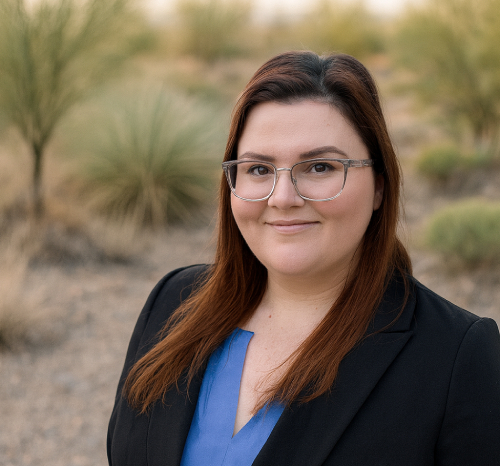
Dr Nikki Kemper
Psy.D. Clinical Psychology, Midwestern University Masters in Clinical Psychology, Midwestern University
Nicole Elliott, LPC
M.C. Counseling, Arizona State University B.A. English (Literature), Arizona State University
Elizabeth Felix, LPC
M.A. Professional Counseling, Ottawa University M.A. Human Resources and Substance Abuse, Ottawa University B.A. Psychology, Ottawa University<
Heather Wheeler, LCSW
Masters in Social Work, Arizona State University B.A. Psychology, Arizona State University
Laura Reed, LPC
M.S. Professional Counseling, Grand Canyon University B.S. Psychology, Grand Canyon University
Rebecca Fregoso, LPC
M.S. Counseling, University of Phoenix, B.A. Psychology, California State University
Kirsten Eby, LPC, ATR-BC
M.S. Art Therapy Counseling Southern Illinois University, Edwardsville M.A. Teaching, Elementary American University B.A. Psychology & Sociology Tulane University
Our Location in Phoenix, AZ
Address:
6245 N 24th Parkway, Suite #106 Phoenix, Arizona 85016
Phone: (480) 999-7070
Hours: Monday – Friday, 9:00 am – 5:00 pm