


Skip Navigation

Religious Trauma & Spiritual Abuse Therapy
in Phoenix, AZ

Religious Trauma & Spiritual Abuse Therapy

Compassionate Care for Healing for High-Control Religious Trauma.

What Is Religious Trauma and Spiritual Abuse?

Religious trauma refers to the psychological and emotional harm caused by authoritarian, shame-based, or abusive religious experiences. This can involve fear-based teachings, rigid doctrine, shaming behaviors, or excommunication. 

Spiritual abuse–a common element of religious trauma–involves the misuse of spiritual authority or belief systems to manipulate, control, or harm others. It can include emotional coercion, silencing of doubts, identity shaming, or punishment disguised as religious discipline.

These experiences often leave deep wounds, impacting a person’s self-worth, autonomy, relationships, and sense of purpose. At Biltmore Psychology and Counseling, we provide a safe and supportive space to process these wounds and rediscover your voice, values, and personal meaning—whether spiritual, secular, or somewhere in between.

Who Can Benefit from Therapy?

You may benefit from religious trauma and spiritual abuse therapy if you:

  • Feel guilt, fear, or shame related to your religious upbringing

  • Were part of a high-control or fundamentalist religious group

  • Experienced spiritual manipulation or emotional abuse from clergy, family, or community

  • Were punished or shunned for questioning doctrine or expressing identity (e.g., LGBTQ+, feminist, atheist/agnostic)

  • Experience PTSD-like symptoms triggered by religious imagery, language, or events

  • Are rebuilding your sense of spirituality or deconstructing your beliefs after leaving a faith group

Therapy can help whether you’re recovering from spiritual abuse within organized religion, fringe religious movements, or toxic religious relationships.

What Does Healing Look Like?

In therapy, we support your healing from religious and spiritual trauma by helping you:

  • Process painful or confusing religious experiences

  • Understand the emotional, physiological, and neurological effects of spiritual abuse

  • Rebuild trust in yourself and your inner wisdom

  • Separate personal identity from damaging teachings or manipulation

  • Create healthy boundaries with family, former communities, or faith leaders

  • Explore your own sense of spirituality, purpose, or personal belief system—without pressure or judgment

Recovery from spiritual abuse is a process of reclaiming your autonomy, your story, and your truth. You don’t have to rush. We’ll walk with you every step of the way.

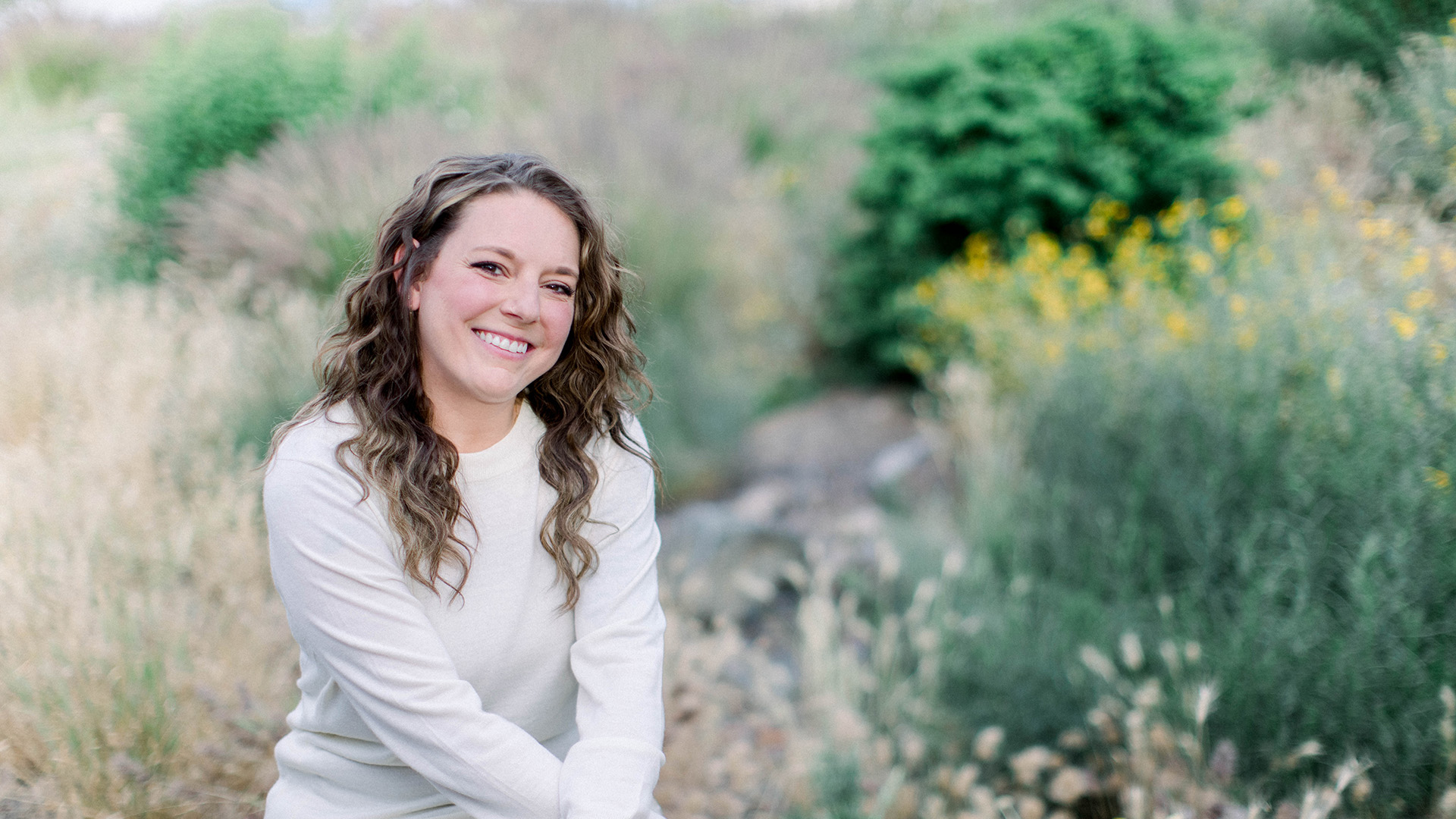
Meet Heather Wheeler, LCSW

Heather Wheeler is a Licensed Clinical Social Worker at Biltmore Psychology and Counseling who brings deep experience and compassionate care to individuals healing from religious trauma and spiritual abuse. With degrees in Psychology and Social Work from Arizona State University, Heather has served in leadership roles across mental health settings, including outpatient, inpatient, and intensive care environments.

Heather has a strong background in trauma-informed therapy and a passion for helping clients disentangle spiritual identity from abuse and fear. She is LGBTQ+ affirming, faith-sensitive, and deeply respectful of each client’s journey—whether that includes reconstructing spirituality or letting go of religion altogether. Her approach incorporates mindfulness, motivational work, and trauma recovery to help clients regain a grounded sense of self.

Heather Wheeler

Meet Heather Wheeler, LCSW

Heather Wheeler is a Licensed Clinical Social Worker at Biltmore Psychology and Counseling who brings deep experience and compassionate care to individuals healing from religious trauma and spiritual abuse. With degrees in Psychology and Social Work from Arizona State University, Heather has served in leadership roles across mental health settings, including outpatient, inpatient, and intensive care environments.

Heather has a strong background in trauma-informed therapy and a passion for helping clients disentangle spiritual identity from abuse and fear. She is LGBTQ+ affirming, faith-sensitive, and deeply respectful of each client’s journey—whether that includes reconstructing spirituality or letting go of religion altogether. Her approach incorporates mindfulness, motivational work, and trauma recovery to help clients regain a grounded sense of self.

Begin your journey with confidence

In a free, no-obligation 10-min consultation we can help you determine whether our services would be the right fit for you.

Our licensed clinicians apply professional expertise and understanding to provide the best holistic counseling services in Phoenix, AZ.

Contact us to schedule a free phone consultation.

Biltmore lobby chairs

Start your journey with confidence

In a free, no-obligation 10-min consultation we can help you determine whether our services would be the right fit for you.

Our licensed clinicians apply professional expertise and understanding to provide the best holistic counseling services in Phoenix, AZ.

Contact us to schedule a free phone consultation.

Religious Trauma & Spiritual Abuse Counseling FAQ

Religious trauma therapy incorporates an understanding of how high-control religious environments, shame-based teachings, and spiritual authority dynamics specifically shape a person’s psychology. A therapist without this background may not recognize the nuances of experiences like spiritual coercion, purity culture, excommunication, or faith-based identity suppression. 

At Biltmore Psychology and Counseling in Phoenix, our therapists bring both clinical training and specific experience with religious trauma, so you don’t have to spend your sessions explaining the context. We can get to the work of healing more quickly and effectively.

This is one of the most common and painful challenges our clients face. When family members remain in a high-control religious system, it can create ongoing stress, pressure to return, or conflict around identity and boundaries. 

Religious trauma therapy in Phoenix can help you develop strategies for navigating those relationships while protecting your own well-being. 

That might include working on boundary-setting, processing grief around changed relationships, or building a stronger sense of your own values and identity so that external pressure feels more manageable. 

You don’t have to choose between your healing and your relationships, but you do deserve support in figuring out what feels right for you.

Many people come to therapy unsure whether their experiences were “bad enough” to warrant support. Religious trauma does not require a dramatic single event. It can develop gradually over years of exposure to shame-based teachings, rigid control, identity suppression, or communities that use fear as a tool. 

If your religious upbringing or involvement has left you with persistent guilt, difficulty trusting yourself, anxiety around religious imagery or language, or a sense that something was taken from you, those experiences are worth exploring with a professional. 

Our Phoenix therapists at Biltmore Psychology and Counseling offer a free 10-minute phone consultation, which is a low-pressure way to start that conversation and find out if our approach feels like the right fit for you.


Absolutely. Religious trauma therapy is not about guiding you away from faith or toward any particular belief system. Some clients come to therapy while still practicing their religion and want support processing harmful experiences within it. 

Others are in the middle of deconstruction or have already left their faith community entirely. 

Our therapists at Biltmore Psychology and Counseling in Phoenix work with you wherever you are on that journey, without judgment and without an agenda. The goal is your healing and your autonomy, not a particular spiritual outcome.

Why Choose Biltmore Psychology & Counseling

At Biltmore Psychology and Counseling in Phoenix, Arizona, we recognize the complexity of religious trauma and spiritual abuse. Our clinicians provide:

Licensed trauma-informed care grounded in psychological expertise

Safe, inclusive therapy spaces—affirming of LGBTQ+, BIPOC, and faith-diverse clients

Experience with high-control religious systems, fringe spiritual movements, and more

Flexible options, including virtual therapy and in-person sessions

Meet Our Team

Dr Melissa Estavillo

Dr. Melissa Estavillo

Psy.D. Clinical Psychology,
Arizona School of Professional Psychology M.A. Clinical Psychology,
Arizona School of Professional Psychology
B.S. Psychology,
Grand Canyon University
Dr. Linda DeBiase

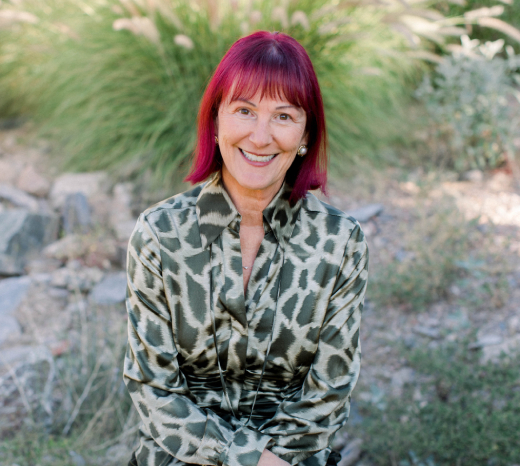
Dr. Linda DeBiase

Forest Institute of Professional Psychology, Doctorate in Clinical Psychology
Lake Forest College
B.A. Psychology California School of Professional Psychology,
Clinical Psychology
Dr. Nikki Kemper PsyD

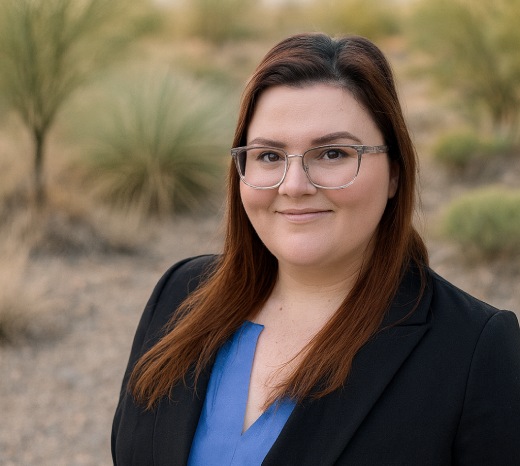
Dr. Nikki Kemper

Psy.D. Clinical Psychology, Midwestern University
Masters in Clinical Psychology, Midwestern University
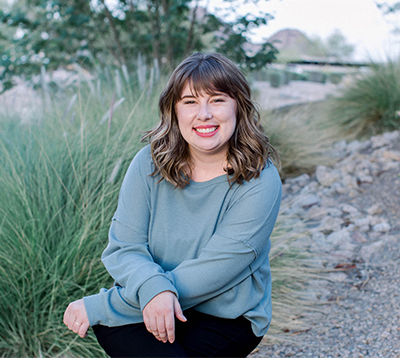
Nicole Elliott, LPC, PMH-C

Nicole Elliott, LPC, PMH-C

M.C. Counseling,
Arizona State University
B.A. English (Literature),
Arizona State University
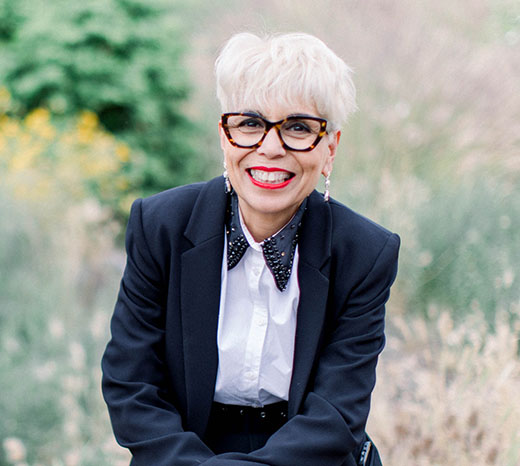
Elizabeth Felix, LPC

Elizabeth Felix, LPC

M.A. Professional Counseling, Ottawa University
M.A. Human Resources and Substance Abuse,
Ottawa University
B.A. Psychology,
Ottawa University
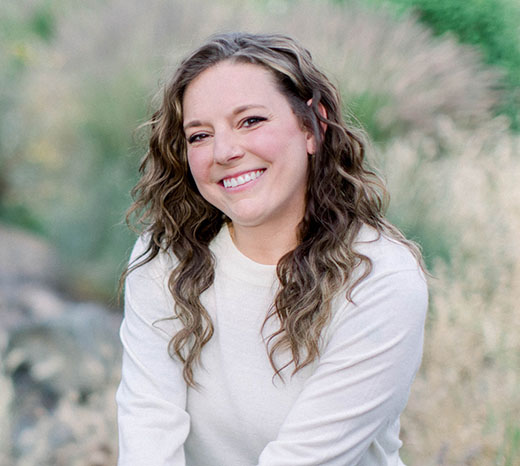
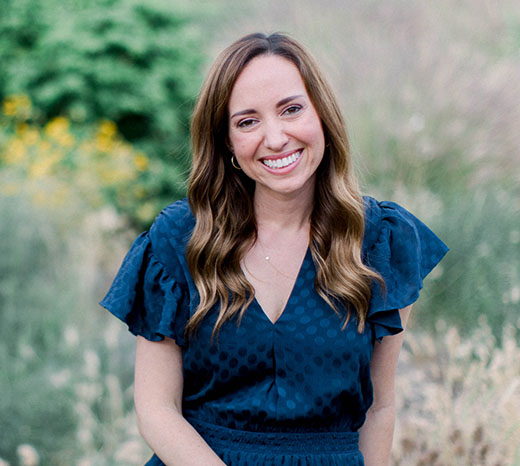
Heather Wheeler, LCSW

Heather Wheeler, LCSW

Masters in Social Work,
Arizona State University
B.A. Psychology,
Arizona State University
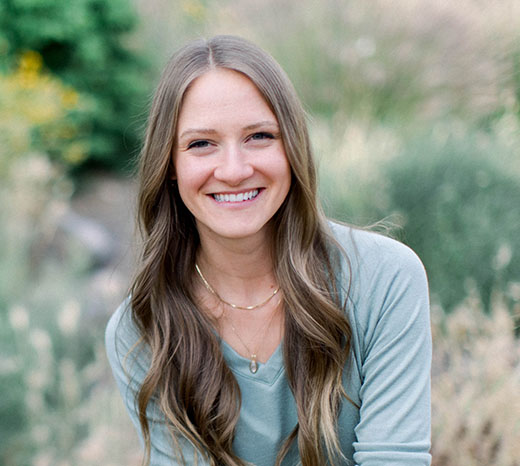
Laura Reed, LPC

M.S. Professional Counseling,
Grand Canyon University
B.S. Psychology,
Grand Canyon University
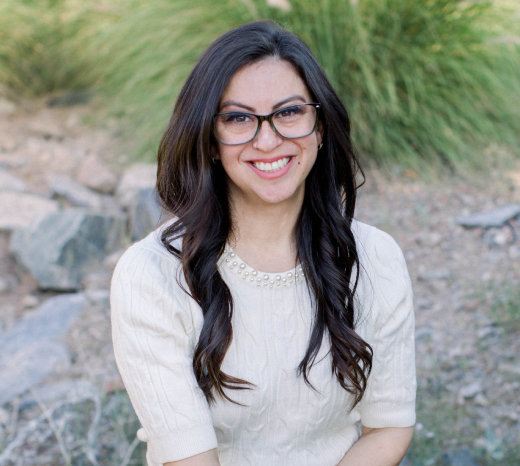
Rebecca Fregoso, LPC

Rebecca Fregoso, LPC

M.S. Counseling,
University of Phoenix
B.A. Psychology,
California State University
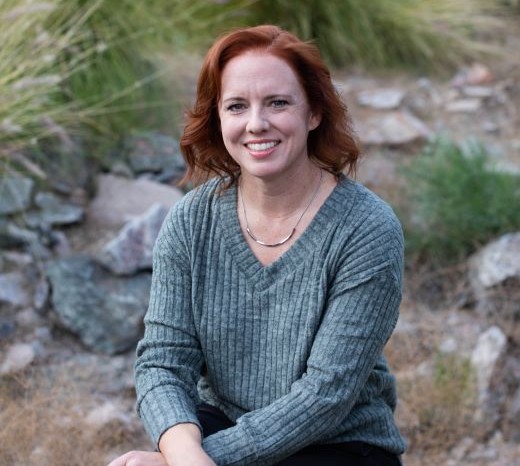
Kirsten Eby

Kirsten Eby, LPC, ATR-BC

M.S. Art Therapy Counseling
Southern Illinois University, Edwardsville
M.A. Teaching, Elementary
American University
B.A. Psychology & Sociology
Tulane University

Join our Team
Dr Melissa Estavillo

Dr. Melissa Estavillo

Psy.D. Clinical Psychology, Arizona School of Professional Psychology M.A. Clinical Psychology, Arizona School of Professional Psychology B.S. Psychology, Grand Canyon University

Dr. Linda DeBiase

Dr Linda DeBiase

Forest Institute of Professional Psychology, Doctorate in Clinical Psychology Lake Forest College, B.A. Psychology California School of Professional Psychology, Clinical Psychology
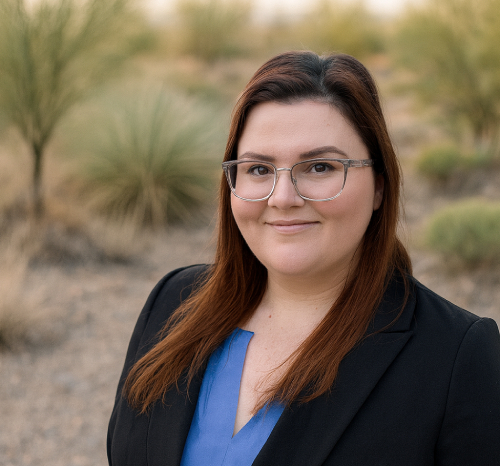
Dr. Nikki Kemper PsyD

Dr Nikki Kemper

Psy.D. Clinical Psychology, Midwestern University Masters in Clinical Psychology, Midwestern University

Nicole Elliott, LPC, PMH-C

Nicole Elliott, LPC

M.C. Counseling, Arizona State University B.A. English (Literature), Arizona State University

Elizabeth Felix, LPC

Elizabeth Felix, LPC

M.A. Professional Counseling, Ottawa University M.A. Human Resources and Substance Abuse, Ottawa University B.A. Psychology, Ottawa University<

Heather Wheeler, LCSW

Heather Wheeler, LCSW

Masters in Social Work, Arizona State University B.A. Psychology, Arizona State University

Laura Reed, LPC

M.S. Professional Counseling, Grand Canyon University B.S. Psychology, Grand Canyon University

Rebecca Fregoso, LPC

Rebecca Fregoso, LPC

M.S. Counseling, University of Phoenix, B.A. Psychology, California State University

Kirsten Eby

Kirsten Eby, LPC, ATR-BC

M.S. Art Therapy Counseling Southern Illinois University, Edwardsville M.A. Teaching, Elementary American University B.A. Psychology & Sociology Tulane University

Our Location in Phoenix, AZ

Address:
6245 N 24th Parkway, Suite #106 Phoenix, Arizona 85016

Phone: (480) 999-7070
Hours: Monday – Friday, 9:00 am – 5:00 pm

BPC icon

Free 10-Min Consultation

A 10-min consultation can help you determine whether our services would be the right fit for you. Contact us to schedule a phone consultation.

"*" indicates required fields

This field is for validation purposes and should be left unchanged.
Name*